


Neck Pain

Overview

Neck pain has become one of the signature aches of modern life — hours at a screen, a phone tilted down, a night on the wrong pillow, and suddenly turning your head feels like a project. At Acupuncture Zen in Delray Beach, neck pain is one of the most common reasons patients come in, whether it’s day-to-day stiffness, a lingering strain, or tension that climbs from the shoulders into the base of the skull. Dr. Tony Willcox, A.P., uses acupuncture as a complementary approach alongside medical and physical therapy care, not as a replacement for it.
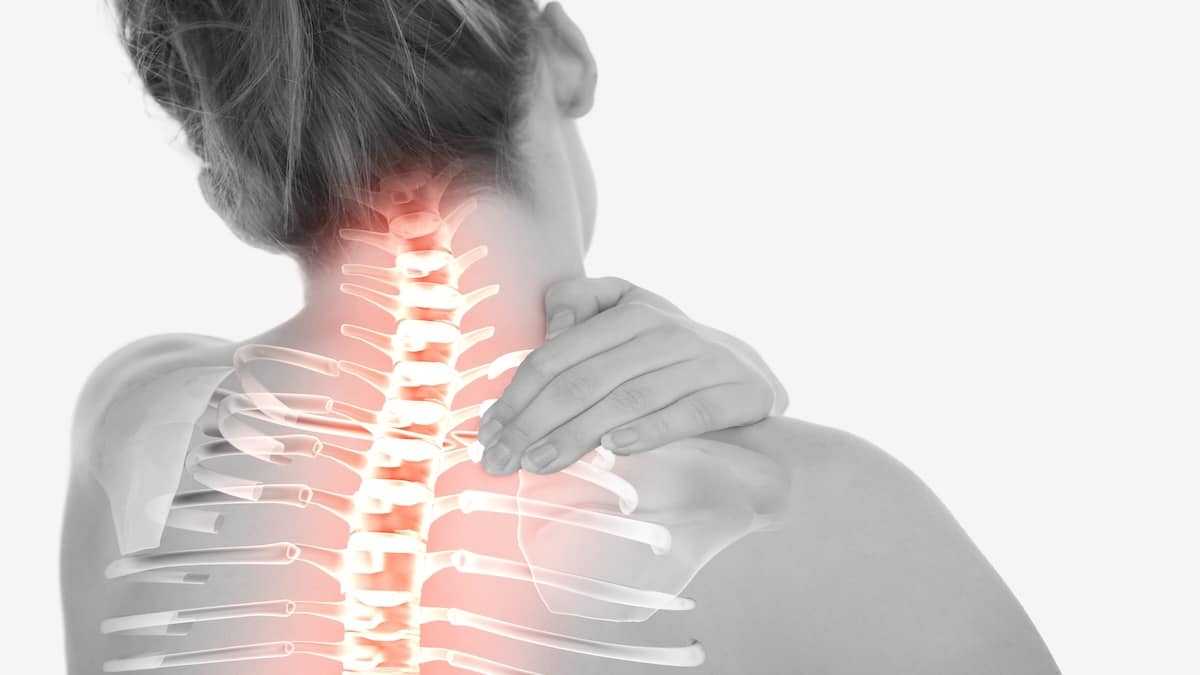
Woman holding her neck with the cervical spine glowing red to show pain, neck pain acupuncture in Delray Beach

What Is Neck Pain?

Neck pain is discomfort in the cervical spine and the muscles, joints, and nerves around it. It can be a dull background ache, a sharp catch when turning the head, or tightness that radiates into the shoulders, upper back, or skull. Much neck pain is mechanical — tied to posture, muscle tension, and everyday strain — and eases with time and care. Sometimes, though, it involves the discs or nerves of the cervical spine, which is why a proper assessment matters when pain is severe or persistent.

Common Symptoms & Causes

Neck pain shows up in many forms, and the common contributors include:

  • Postural strain — ‘tech neck’ from screens, desks, and phones
  • Muscle tension and myofascial trigger points, often stress-related
  • Cervical spondylosis — age-related wear of the neck’s joints and discs
  • Whiplash or other injuries from sports or accidents
  • Pinched nerves causing pain that radiates into the arm

Because most neck pain is mechanical, but some involves the nerves or discs, an evaluation is considered worthwhile when pain is severe, follows an injury, or comes with arm numbness, weakness, or tingling — so the right care can be matched to the cause.

The Chinese Medicine Perspective

In Chinese medicine, the neck is crossed by channels including the Gallbladder, Bladder, and Small Intestine, and neck pain is often approached as Qi and Blood stagnation — a local blockage that leaves the area tight and slow to recover. Where cold, damp, or a draft seems to trigger a stiff neck, an external ‘invasion’ pattern may be considered. Stress is understood to bind the muscles of the neck and shoulders, so treatment aims to move stagnation, release that tension, and restore free, comfortable movement.

How Acupuncture May Help

Acupuncture is used to target the tight muscles and connective tissue of the neck and upper shoulders, aiming to ease tension and support the body’s natural pain-modulating response. Points are often selected locally, around the neck and shoulders, and at distal sites, and treatment pairs well with attention to posture and ergonomics.

For the tight, ropey muscle bands and trigger points that drive so much neck tension, dry needling is often used to release those knots directly.

A 2024 systematic review and meta-analysis of eighteen randomized controlled trials found that acupuncture, used as an adjunct therapy, was associated with durable pain relief for chronic neck pain that lasted at least three to six months after treatment (Fang et al., Current Pain and Headache Reports, 2024). In the interest of honesty, the same review did not find a clear difference between real and sham acupuncture on pain scores — a reminder that acupuncture is best used as one supportive part of a broader plan, not a stand-alone cure.

What to Expect at Your Visit

A first visit begins with a conversation about how the pain started, what movements aggravate it, whether it radiates into the arm, and what medical or physical therapy care is already underway. Dr. Willcox will assess the neck’s range of motion and the surrounding muscle chain before selecting a point protocol — which may combine local neck and shoulder points, distal points, and, where appropriate, dry needling of trigger points. Most patients feel a deep, dull ache or a satisfying muscle release during treatment. Relief often builds over a series of sessions, especially for tension that has accumulated over months.

Frequently asked questions

Acupuncture may help relieve neck pain and muscle tension. Still, pain radiating into the arm with numbness or weakness should first be evaluated by a physician, as nerve involvement sometimes requires specific medical care.

Posture-related neck tension is one of the most common patterns Dr. Willcox sees. Acupuncture can help ease the muscle tightness, and it works best paired with ergonomic and postural changes.

This depends on the cause and how long the pain has been present. Dr. Willcox will discuss a realistic timeline after the first evaluation, since acute strain and long-standing tension respond differently.

Most patients describe a dull ache or muscle release rather than sharp pain. Needle sensations are explained beforehand so nothing feels unexpected.

Complementary Care Note

Acupuncture at Acupuncture Zen is offered as a complement to — never a replacement for — the care of your primary physician or specialist. Severe neck pain that follows an injury, or that comes with arm numbness, weakness, or radiating pain, should be evaluated by a physician, and patients are encouraged to keep their physician informed of all treatments in progress.

Ready to explore whether acupuncture may support your neck pain? Contact Acupuncture Zen at 561-633-3537 or visit the clinic at 900 E Atlantic Ave, Suite 11, Delray Beach, FL to schedule a consultation with Dr. Tony Willcox, PhD, D.A.O.M.