Quit Smoking Support in Delray Beach
Medically reviewed by Dr. Tony Willcox, PhD, D.A.O.M., A.P.
Last reviewed: September 2026




Medically reviewed by Dr. Tony Willcox, PhD, D.A.O.M., A.P.
Last reviewed: September 2026
Tobacco dependence is a genuine physiological addiction, not a simple habit or lack of willpower. Nicotine alters brain chemistry, and when it drops, the body responds with withdrawal — cravings, anxiety, poor concentration, low mood, and disrupted sleep. Those symptoms peak in the first days and ease over weeks, which is exactly when many attempts fail. Because the health stakes are high and effective treatments exist, the foundation of any quit plan is evidence-based care: nicotine replacement therapy, prescription medications such as varenicline or bupropion, and behavioral counseling or a quitline.

People trying to quit often describe a familiar cluster of hurdles:
These challenges are normal, and they are temporary. However, because relapse is common, combining support strategies tends to work better than relying on any single one.
In Chinese medicine, the restlessness and agitation of nicotine withdrawal are often framed in terms of the Shen — the mind-spirit — being unsettled, with cravings understood as a disturbance the treatment aims to calm. Ear (auricular) acupuncture is the approach most associated with addiction support, and a widely used five-point ear protocol was developed in this spirit. Body points such as LI4, LU7, and “Tian Mei, also known as Tim Mee” — an extra point on the wrist traditionally associated with taste and smoking — may be added. This framework guides a calming, individualized approach, though the specific points always depend on the person Dr. Willcox is working with.
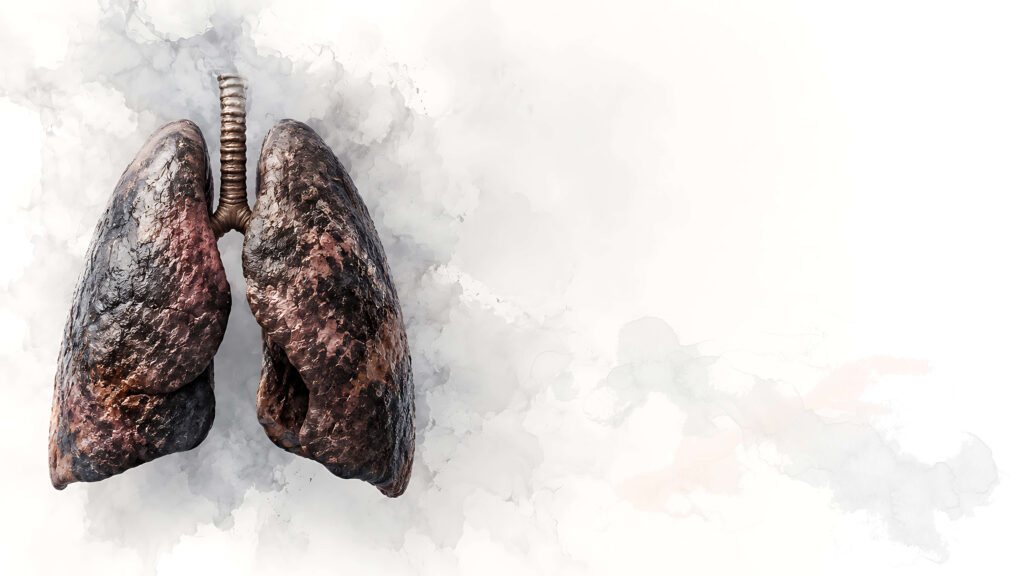
For smoking cessation, acupuncture — often at the ear — is used as a possible complement aimed at easing the cravings and restlessness of withdrawal. A Cochrane systematic review found that acupuncture may be more effective than sham treatment in helping people cut back or quit in the short term — the very period when cravings are strongest and many attempts falter Cochrane Database of Systematic Reviews, 2014. For lasting success, the review found acupuncture works best as part of a wider plan rather than on its own. That is exactly how it is offered here — as calming support during the hardest weeks, alongside the counseling and proven quit methods that give an attempt its best chance.
Some patients ask about laser acupuncture — using a low-level laser rather than needles to stimulate the same points — for smoking. Acupuncture Zen offers laser therapy as a needle-free option some find gentler. The evidence is genuinely mixed. A randomized trial of laser auricular acupuncture reported reductions in nicotine dependence and withdrawal effects, while noting that results across the laser-acupuncture literature have been inconsistent Yavagal & Nagesh, Sultan Qaboos University Medical Journal, 2021. Laser is therefore offered on the same honest footing as needle acupuncture — a possible comfort-focused support during withdrawal, alongside evidence-based cessation care rather than in place of it.
A first visit begins with the plan itself — whether a quit date is set, what medications or nicotine replacement are in use, and what counseling or quitline support is in place. Dr. Willcox encourages patients to keep those evidence-based supports at the center, then adds acupuncture as a calming complement. Sessions often focus on ear points and are scheduled most closely around the early withdrawal window, when cravings run highest. The goal is modest and clear: to help a person feel a little steadier while the proven tools do the heavy lifting.