


Gastritis (Acute and Chronic)

Gastritis (Acute and Chronic)

That burning, gnawing discomfort in the upper stomach — the nausea, the bloating, the sense that eating has become a gamble — is the hallmark of gastritis. At Acupuncture Zen in Delray Beach, acupuncture for gastritis is offered as a complementary approach that may help ease symptoms and support stomach comfort and function. It works alongside medical care, never in place of it — because gastritis has specific causes, some of which need a doctor’s treatment.
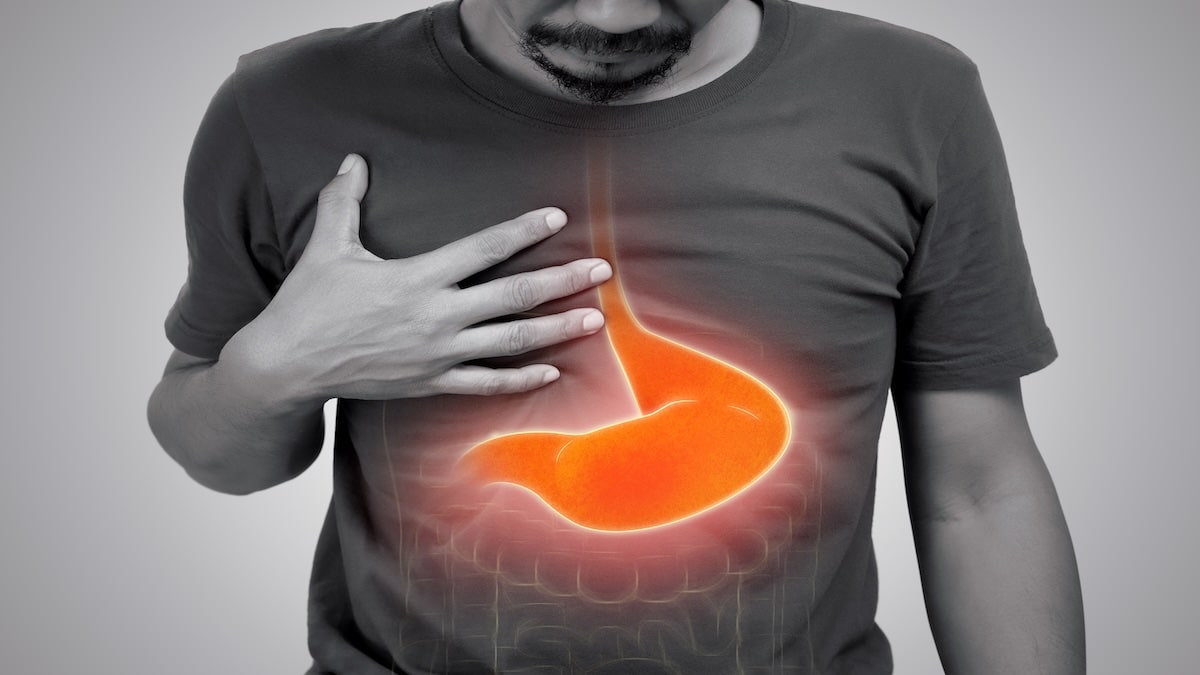
Man holding his stomach with gastritis inflammation illustrated — Acupuncture Zen in Delray Beach

What Is Gastritis?

Gastritis is inflammation of the stomach lining. It can come on suddenly, as acute gastritis, or develop slowly and persist over time, as chronic gastritis. Acute gastritis is often triggered by irritants — alcohol, NSAID pain relievers, spicy food, or sudden stress — and usually settles once the trigger is removed. Chronic gastritis frequently stems from infection with the bacterium Helicobacter pylori, long-term irritant exposure, or autoimmune factors, and it can persist for years. Because chronic gastritis can occasionally lead to more serious changes over time, and because H. pylori requires specific medical treatment, an accurate diagnosis is an essential first step. It is part of the broader family of digestive disorders that the clinic addresses.

Common Symptoms & Causes

Gastritis centers on the upper abdomen. Common symptoms include:

  • A burning or gnawing pain in the upper stomach
  • Nausea, sometimes with vomiting
  • A feeling of fullness or bloating after eating
  • Loss of appetite or indigestion
  • Belching and general stomach discomfort

Causes include H. pylori infection, regular use of NSAIDs or aspirin, excess alcohol, chronic stress, and, less commonly, autoimmune conditions. When the stomach’s protective lining is worn down, stomach acid irritates the tissue beneath — producing the inflammation and discomfort. Because untreated gastritis can lead to peptic ulcers and other complications, addressing the underlying cause matters.

The Chinese Medicine Perspective

In Chinese medicine, gastritis is understood through the lens of the Stomach and Spleen, the organs at the heart of digestion. Symptoms are often traced to patterns like Stomach heat (a burning, inflamed quality), Liver Qi invading the Stomach (where stress and frustration disrupt digestion, causing pain and bloating), or an underlying Spleen and Stomach deficiency that weakens digestion. Treatment aims to clear heat, restore the smooth flow of Qi, harmonize the stomach, and strengthen digestion according to the pattern. Dr. Willcox distinguishes, for instance, a hot, burning gastritis from one rooted in stress or deficiency.

How Acupuncture May Help Gastritis

Acupuncture for gastritis is thought to work by regulating stomach acid and motility, calming inflammation, easing the stress that so often aggravates stomach symptoms, and supporting the stomach’s protective function. Points on the abdomen and along the stomach meridian are commonly used, sometimes with gentle warming moxibustion or electro-acupuncture.

The research points in an encouraging direction for symptom relief. A 2025 systematic review and network meta-analysis found that acupuncture therapies may help relieve upper gastrointestinal symptoms of gastritis — such as stomach pain, bloating, and acid reflux — though the certainty of the evidence was low to very low. These symptoms overlap closely with functional indigestion, an area where acupuncture has somewhat stronger support. Importantly, acupuncture is offered for symptom relief and comfort — not as a treatment for H. pylori infection, which requires specific medical therapy.

At Acupuncture Zen, gastritis is often addressed with acupuncture, moxibustion, and, where appropriate, Chinese herbal medicine and guidance on everyday habits — always as a complement to, not a replacement for, appropriate medical care.

What to Expect at Your Visit

A first visit begins with a thorough conversation about the stomach symptoms — when they occur, what triggers or eases them, diet, stress, and any diagnosis or testing already done. Treatment involves fine needles at points on the abdomen and legs, often with gentle warming, followed by a period of rest. Because the stomach lining heals gradually, treatment usually consists of a series of sessions, with improvements building over time. Dr. Willcox coordinates with a patient’s physician, especially where H. pylori or other specific causes are involved.

Frequently asked questions

Acupuncture is a complementary approach that may help ease symptoms and support the stomach, but it is not a cure. It does not treat underlying infections such as H. pylori, which require medical therapy. It works best alongside appropriate medical care and attention to diet and triggers.

Symptoms like vomiting blood, black or tarry stools, severe abdominal pain, or unexplained weight loss are warning signs of possible bleeding or other serious problems and require immediate medical attention. Acupuncture is not appropriate for these emergencies.

A Complementary Approach

Ongoing stomach discomfort wears on daily life — and acupuncture offers one gentle, drug-free avenue that may help ease the symptoms of gastritis. It is offered here as a complement to conventional care, never a substitute for medical diagnosis or treatment, particularly where infection or serious symptoms are involved. Patients are encouraged to keep their physician informed as part of a coordinated approach.

Peace and Blessings,
Dr. Tony Willcox, PhD, D.A.O.M.