Gut Health & Digestive Support in Delray Beach
Medically reviewed by Dr. Tony Willcox, PhD, D.A.O.M., A.P.
Last reviewed: September 2026



Medically reviewed by Dr. Tony Willcox, PhD, D.A.O.M., A.P.
Last reviewed: September 2026
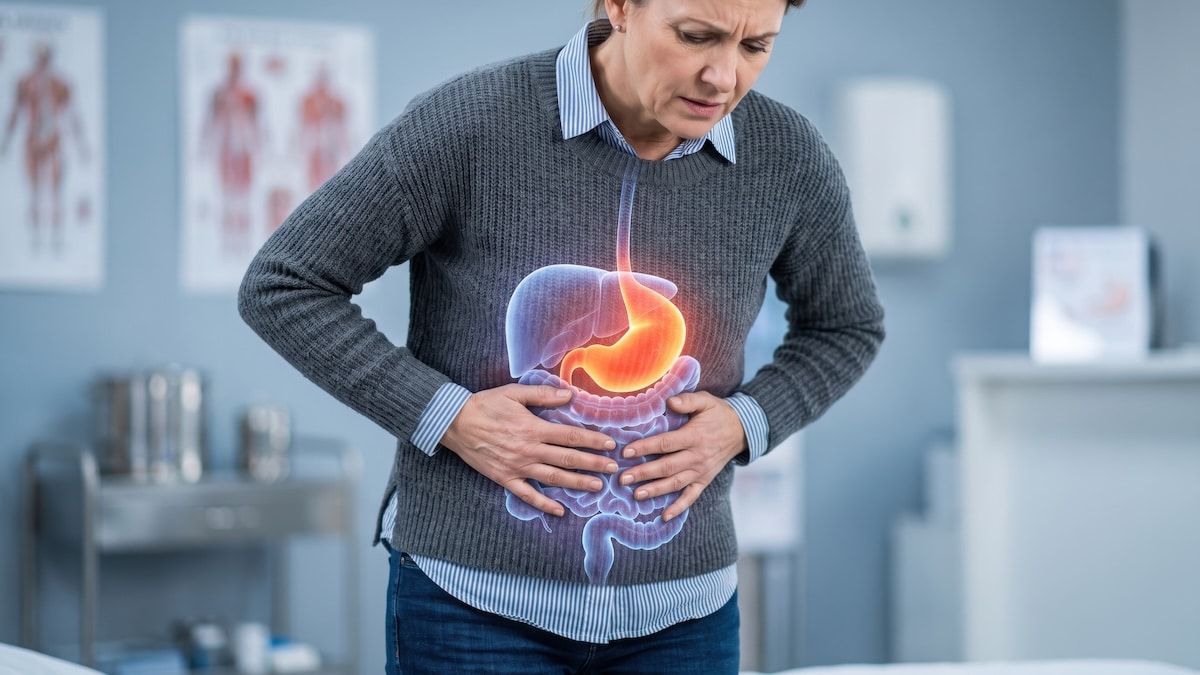
Digestive disorders are an umbrella term covering the many conditions that disrupt the gastrointestinal tract, from the stomach to the intestines. Many are what doctors call functional disorders, meaning the gut isn’t working properly even though no structural damage is found; these include irritable bowel syndrome, functional dyspepsia (chronic indigestion), and functional constipation. Others involve inflammation or structural changes, such as gastritis, peptic ulcers, and inflammatory bowel diseases. At Acupuncture Zen, several of these are addressed on their own dedicated pages — including IBS, constipation, gastritis, peptic ulcer, GERD/acid reflux, Crohn’s disease, and ulcerative colitis. Because symptoms overlap and some can signal serious conditions, an accurate medical diagnosis always comes first.
Digestive disorders show up in many ways. Common symptoms include:
Causes are wide-ranging: diet, stress, gut motility problems, imbalances in gut bacteria, inflammation, and the intricate communication between the brain and the gut. In fact, many functional digestive disorders are now understood as disorders of this gut-brain axis — which helps explain why stress so often makes them worse, and why an approach that calms the nervous system can help.
Chinese medicine has placed digestion at the center of health for thousands of years, viewing the Spleen and Stomach as the source of the body’s acquired energy. Digestive complaints are understood through patterns — Qi stagnation that causes bloating and pain, dampness that brings heaviness and loose stools, heat that drives inflammation, or deficiency that leaves digestion weak and sluggish. Rather than treating a single symptom, acupuncture aims to restore the smooth, balanced function of the digestive system according to the pattern at hand. Dr. Willcox assesses each person’s unique presentation before building a plan.
Acupuncture for digestive disorders is thought to work by regulating gut motility (the movement of the digestive tract), calming visceral hypersensitivity, easing inflammation, and — importantly — modulating the gut-brain axis and the stress response that so often disrupts digestion. Brain imaging research has even shown that acupuncture can influence brain regions involved in gut-mind communication.
The evidence here is genuinely encouraging. A 2021 meta-analysis of sixty-one randomized trials found that acupuncture produced significantly greater improvement in symptom severity than medication, sham acupuncture, and no treatment across functional dyspepsia, irritable bowel syndrome, and functional constipation, with fewer adverse events than other treatments — though the authors rated the evidence as moderate to low and called for more rigorous trials. As always, acupuncture works best as part of a broader approach that includes medical care and attention to diet and stress.
At Acupuncture Zen, digestive disorders are often addressed with acupuncture and electro-acupuncture, sometimes with Chinese herbal medicine and guidance on everyday habits — always as a complement to, not a replacement for, appropriate medical care.
A first visit begins with a thorough conversation about digestion — symptoms, triggers, diet, stress, and any diagnosis or testing already done. Treatment typically involves fine needles at points on the abdomen, legs, and elsewhere, often with gentle warming or electrical stimulation, followed by a period of rest. Because digestive rhythms shift gradually, treatment is usually a series of sessions with improvements building over several weeks. Dr. Willcox coordinates with a patient’s physician and will encourage medical evaluation for any warning signs.