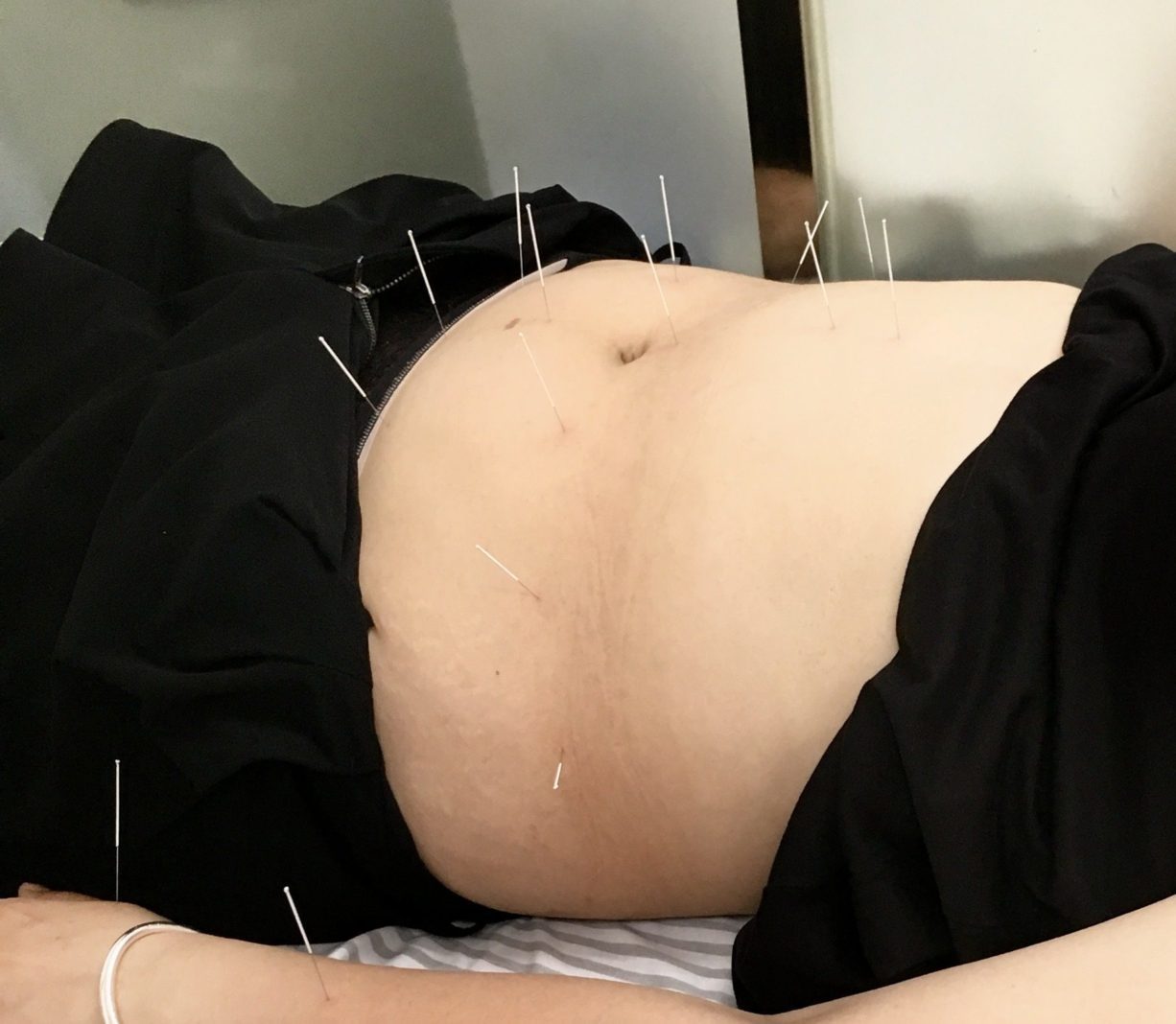

Being diagnosed with a chronic illness can affect your everyday life. It can cause stress, anxiety, and depression. Many living with Crohn’s disease have tried various modalities to control the associated symptoms without relief and feel they are at a wit’s end. Acupuncture may help manage the symptoms.
Crohn’s disease is an inflammatory bowel disease that causes chronic inflammation of the gastrointestinal tract, most commonly affecting the end of the ileum and the start of the colon. IBD affects 3 million Americans, equally affecting men and women. The disease is most often diagnosed between the ages of 20 and 30. There are 5 types of Crohn’s disease that affect different parts of the GI tract. These are Ileocolitis, Ileitis, Gastroduodenal Crohn’s disease, Jejunoileitis, and Crohn’s Granulomatous Colitis.
The common symptoms caused by inflammation of the GI tract can include persistent diarrhea, urgent need to move bowels, rectal bleeding, abdominal cramping, constipation, bloating, and sensation of incomplete bowel evacuation. Crohn’s disease can negatively impact your health and cause other medical issues such as fatigue, loss of appetite, weight loss, delayed growth and development in children, joint swelling and aches, loss of menstrual cycle, skin complications, and mouth sores to name a few.
Acupuncture identifies specific points in the body that act as energy pathways to certain organs. These energy pathways are given the term Qi, which is an ancient Chinese term for the energy flow of the body that is responsible for balancing a person’s health and wellness. When Qi is imbalanced, energy cannot flow resulting in adverse effects. Acupuncture can be used to increase blood flow, reduce inflammation, and ease pain to treat several GI conditions. Acupuncture and in particular the diagnostic criteria of Traditional Chinese Medicine (TCM) give a deeper understanding of how to balance and regulate the body’s energy and with digestion, the body’s resource for energy. The Liver organ in TCM is particularly important for regulating digestive health. The Liver has a balancing act with the Spleen and these two organs are of vital importance for health and wellness not only for Crohn’s disease but many others as well. The Liver is the blood storer in TCM theory and Spleen is the blood maker or energy production center. When Liver energy does not flow well there are the emotions of anger, and symptoms of impatience, irritability, resentment, and reactiveness, these also lead to digestive discomforts like acid reflux, GERD, gas, and bloating whereas the spleen has emotional component of worry, overthinking, mind busy, fatigue, bruising easily, and bloating. So, the balance of regulating the liver and spleen can be fundamental in regulating symptoms of Crohn’s. Acupuncture can play a vital role in the harmonization of this condition.
One can expect to be treated with acupuncture both face-up and face-down. Some of the parts of the body where needles are placed for treatment include the head, face, abdomen, back, hands, and feet. Studies show that the use of electrostimulation of needles can also provide great benefits. Herbal medicine may also be a good addition to the treatment. Acupuncture Zen in Delray Beach can help you feel your best with the use of this age-old therapy of Acupuncture and Traditional Chinese Medicine.