Stroke Rehabilitation Support in Delray Beach
Medically reviewed by Dr. Tony Willcox, PhD, D.A.O.M., A.P.
Last reviewed: September 2026




Medically reviewed by Dr. Tony Willcox, PhD, D.A.O.M., A.P.
Last reviewed: September 2026
A stroke occurs when blood flow to part of the brain is interrupted, and the recovery period that follows is when the brain and body work to regain function. Rehabilitation is the heart of that process — physical therapy, occupational therapy, speech therapy, and medical management, guided by a care team. Progress depends on the stroke itself and on consistent, evidence-based rehabilitation. Because stroke care and recovery are medically complex, an active care team is the essential foundation, and any complementary approach sits around that core, never in place of it.
Life after a stroke can bring a range of hurdles that rehabilitation addresses:
These challenges are highly individual, and they change over time. However, because the pace and pattern of recovery vary so much, an active rehabilitation plan guided by a care team remains the priority.

In Chinese medicine, the aftermath of a stroke is traditionally described in terms of “Wind-stroke,” with the weakness and stiffness understood as channels obstructed and Qi and Blood no longer flowing freely to the limbs. Treatment aims to open the channels and support movement. Scalp acupuncture is often associated with this setting, along with limb points such as Quchi (LI11), Zusanli (ST36), and Yanglingquan (GB34) — though the specific approach always depends on the person Dr. Willcox is working with, and always alongside their rehabilitation.
Acupuncture has been used to support stroke recovery for centuries, and today it is a common part of rehabilitation in hospitals across Asia and, increasingly, around the world. Research in this area is growing and encouraging. A 2024 systematic review and meta-analysis of seventeen randomized controlled trials found that acupuncture combined with rehabilitation therapy was associated with greater improvement in motor function and neurological recovery than standard treatment alone in people recovering from ischemic stroke (Zhu et al., PLOS ONE, 2024). As the authors note, the underlying trials vary in quality, so research is still developing. At Acupuncture Zen, acupuncture is offered as a supportive complement — working alongside a patient’s rehabilitation team to encourage comfort, wellbeing, and the body’s own capacity to heal — rather than as a stand-alone treatment or a replacement for the rehabilitation that drives recovery.
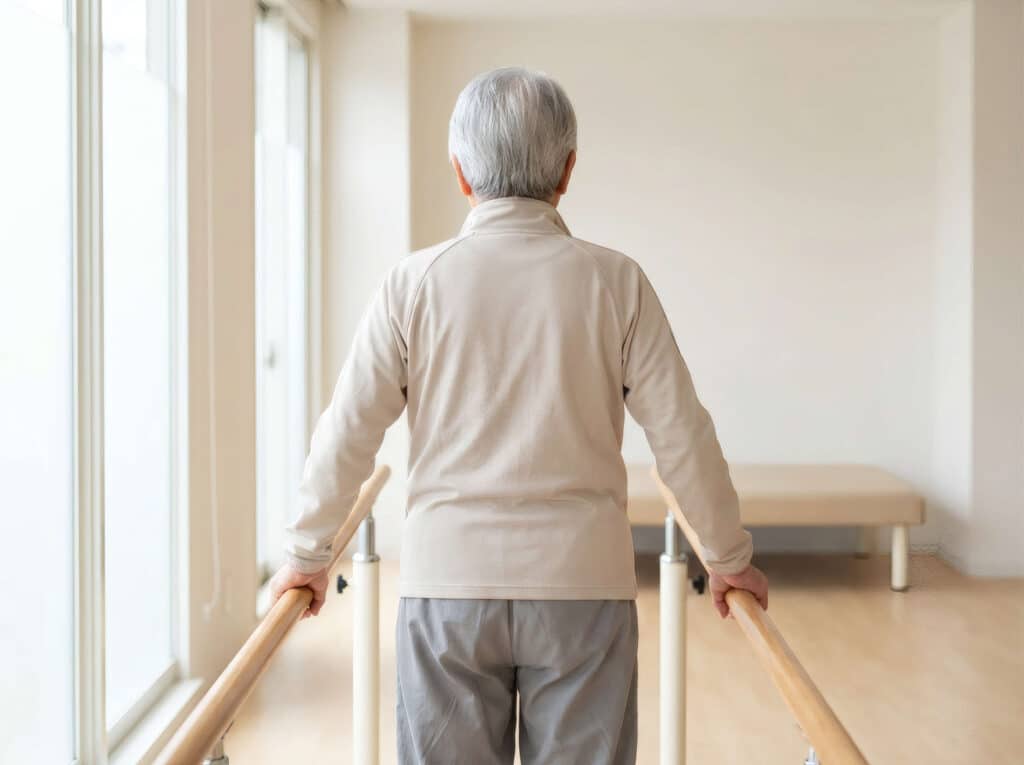
A first visit begins by confirming that a patient is under the care of a stroke and rehabilitation team, since that care takes precedence. Dr. Willcox will ask about the stage of recovery, current therapies, and goals, then tailor a gentle approach designed to fit around — and support — that work. Sessions are adapted carefully to each person’s abilities and comfort. Throughout, acupuncture is coordinated with, and never a substitute for, the medical and rehabilitation care that drives recovery.