


Acupuncture for Lyme Disease: Complementary Support After Treatment
Lyme disease can be a long road — and for many patients, the hardest stretch comes after the antibiotics end. Acupuncture for Lyme disease has drawn growing interest, not as a cure, but as complementary support. Many people turn to it for the fatigue, pain, and brain fog that can linger for months. It does not treat the infection itself. Instead, it offers gentle, whole-person care alongside conventional medicine — the kind of work Dr. Tony Willcox has built his Delray Beach practice around.
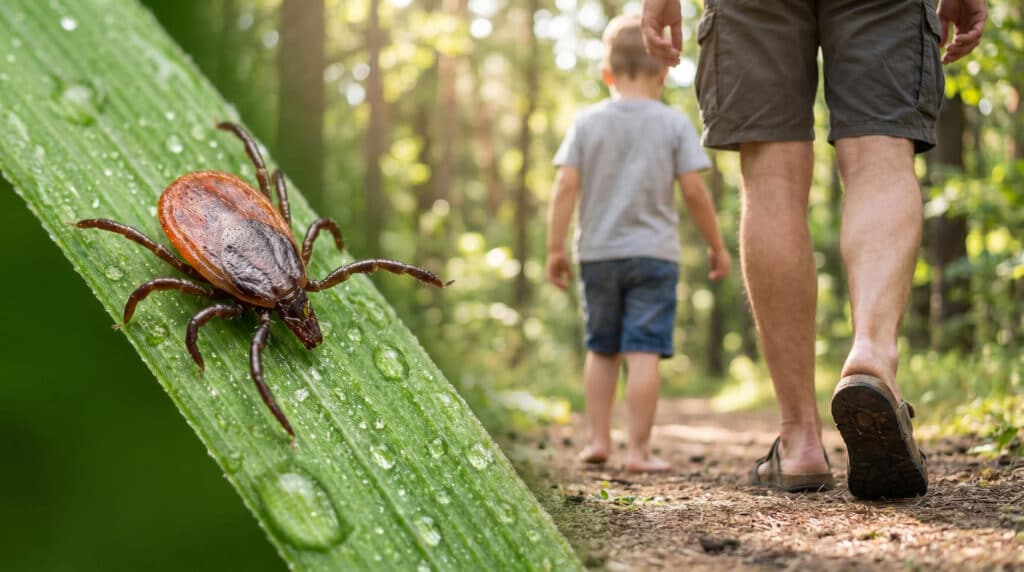
Why Symptoms Can Linger After Lyme Treatment
Antibiotics remain the first-line treatment for a confirmed infection, and they should always come first. However, an estimated 10 to 20 percent of patients continue to feel unwell after finishing them. Doctors call this post-treatment Lyme disease syndrome, or PTLDS.
The reasons are still being studied. Notably, a 2024 Johns Hopkins review in Frontiers in Neurology implicated autonomic nervous system dysregulation — dysautonomia — as a likely component of these lingering symptoms. In other words, the system that quietly governs heart rate, digestion, sleep, and stress response can stay knocked off balance. That matters here because autonomic regulation is exactly the terrain where acupuncture is understood to work.
How Acupuncture for Lyme Disease May Help
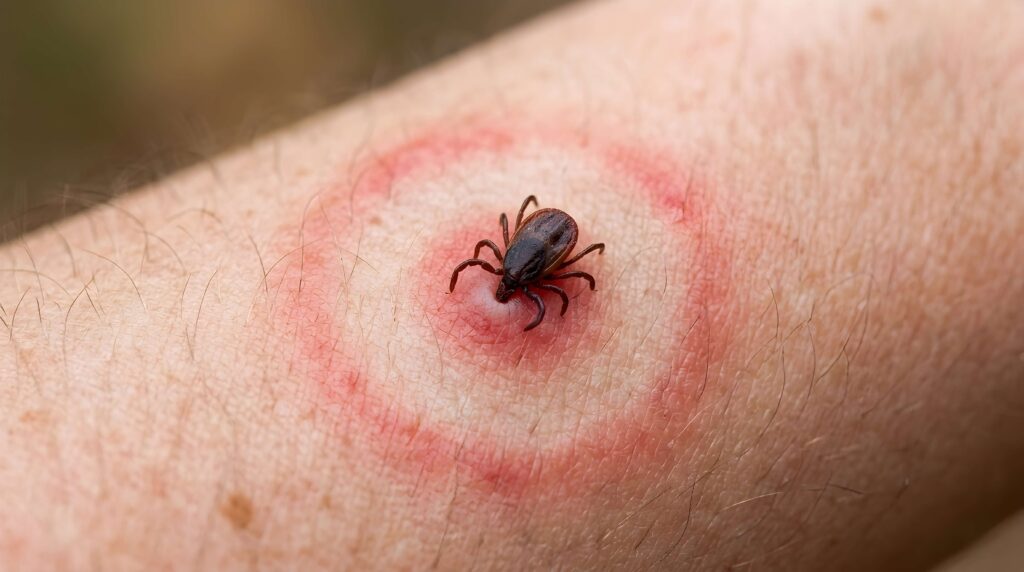
Acupuncture for Lyme disease does not target the bacteria. Rather, it may support the symptoms that persist once the infection has been addressed. Because those symptoms overlap so closely with conditions acupuncture is already used for, the rationale is straightforward.
Fatigue – Acupuncture is used to support energy and recovery in post-viral and chronic-fatigue presentations, and similar mechanisms may apply here.
Pain and joint aches – Acupuncture has well-established use for musculoskeletal and neuropathic pain, two of the most common lingering Lyme complaints.
Sleep and stress – By nudging the nervous system toward its parasympathetic “rest” state, treatment may promote deeper sleep and calmer days.
Brain fog – Many patients report steadier focus over a course of care, often tracking their improvements in sleep and stress.
Early laboratory research in animals has also explored electro-acupuncture and Lyme-related inflammation — promising, but preliminary, and not yet tested in people. For most patients, the honest value today is symptomatic and supportive. To understand the foundation this rests on, it helps to see how a full course of Acupuncture works.
A Whole-Person Approach in Delray Beach
From a Chinese medicine perspective, a chronic infection can deplete the body’s defensive energy and leave stagnation in its wake. Consequently, treatment aims to rebuild reserves, move Qi and Blood, and restore resilience — rather than chase one symptom at a time. This is familiar ground for Dr. Tony. Over two decades, he has guided elite athletes through demanding recoveries, where restoring the nervous system is often the difference-maker. The same patient, layered approach carries over to Lyme recovery, where progress tends to come gradually.
What Acupuncture Can and Cannot Do?
Above all, acupuncture for Lyme disease is complementary — never a replacement for medical care. Patients are always encouraged to keep working with their physician, complete prescribed treatment, and report new or worsening symptoms. Used together, conventional and integrative care can support the whole person while the body finds its footing. If Lyme symptoms are lingering long after treatment, Dr. Tony welcomes a conversation about whether this gentle approach fits your recovery. Reach the Delray Beach clinic to schedule a consultation. Phone 561-633-3537.
For a fuller look at how the clinic approaches Lyme recovery, see our Lyme disease treatment page.
Peace and Blessings,
Dr. Tony Willcox, PhD, D.A.O.M., A.P.
