


Lyme disease

Lyme disease

Lyme disease can affect the body long after the initial tick bite — and long after antibiotics have done their part. At Acupuncture Zen in Delray Beach, Dr. Tony Willcox, A.P., offers acupuncture as complementary support for the fatigue, pain, and brain fog that so often linger. It is not a substitute for medical treatment. Instead, it works alongside it, supporting the whole person while recovery unfolds.
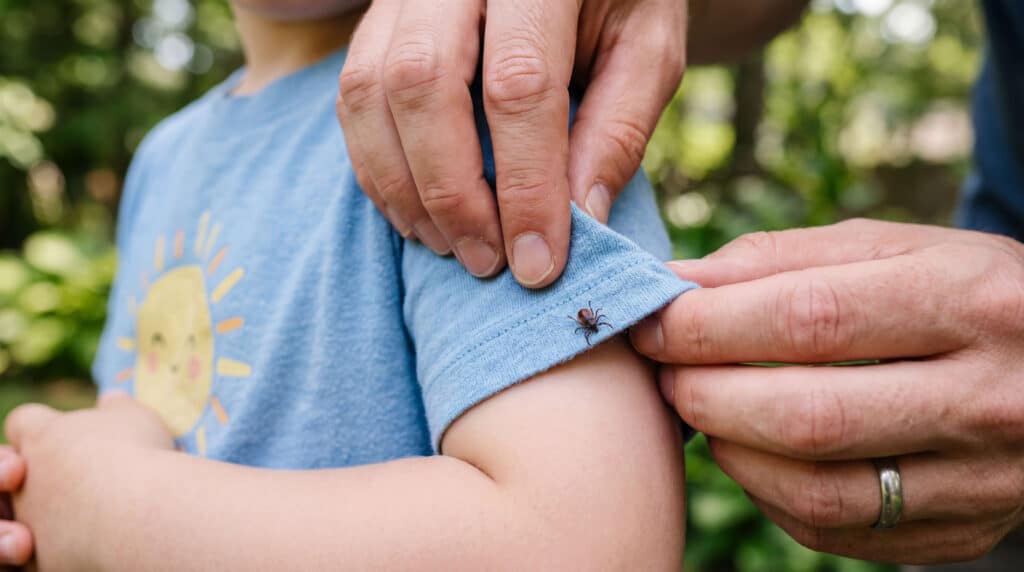
Parent checking a child's arm for a tick outdoors to help prevent Lyme disease

What Is Lyme Disease?

Lyme disease is the most common tick-borne infection in North America. It is caused by the bacterium Borrelia burgdorferi, carried by blacklegged (“deer”) ticks. Caught early, it is typically treated with antibiotics, which resolve symptoms for most people. However, a meaningful share of patients — an estimated 10 to 20 percent — continue to struggle afterward, a pattern doctors call post-treatment Lyme disease syndrome.

Common Symptoms & Causes

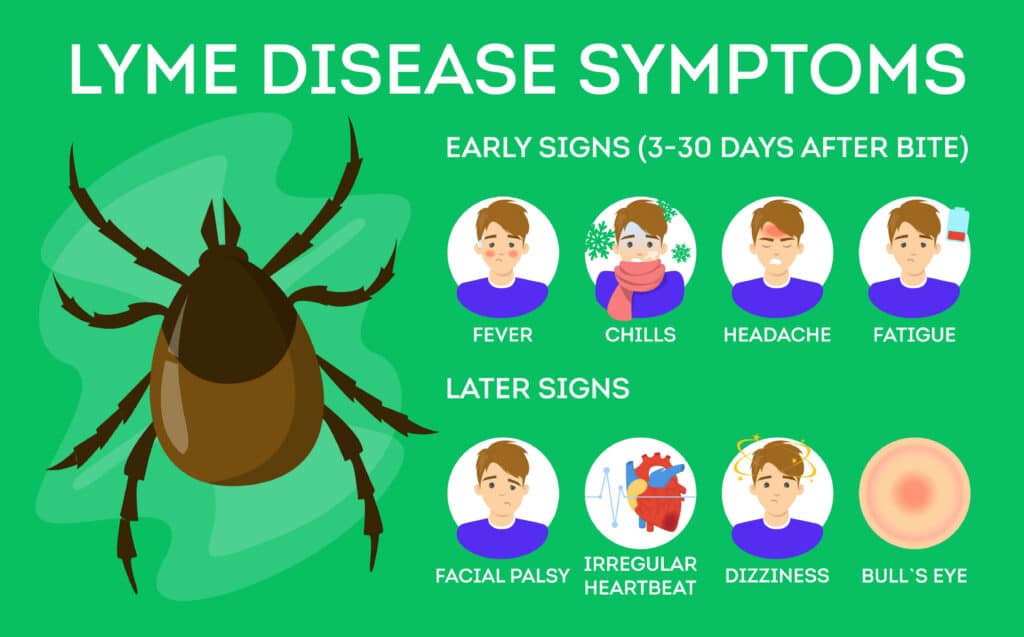
Because Lyme disease can touch many systems at once, its lingering symptoms vary widely. Patients frequently report: – Deep, persistent fatigue – Joint and muscle pain, sometimes migrating – Brain fog and difficulty concentrating – Sleep disturbance – Dizziness, palpitations, or lightheadedness on standing Notably, a 2024 Johns Hopkins review in Frontiers in Neurology pointed to dysregulation of the autonomic nervous system as a likely driver of these persistent symptoms. That helps explain why so many complaints — sleep, energy, heart rate, digestion — cluster together.

Lyme disease symptoms chart of early and later signs including fever, fatigue, and rash

The Chinese Medicine Perspective

In Chinese medicine, a chronic infection is understood to deplete the body’s defensive energy and disrupt the smooth flow of Qi and Blood. As a result, stagnation and depletion linger even after the acute illness passes. Treatment therefore focuses on rebuilding reserves and restoring balance — a whole-system view rather than a single-symptom fix.

How Acupuncture May Help

Acupuncture does not target the bacteria that cause Lyme disease. Rather, it may support the symptoms that persist after treatment — many of which overlap with conditions acupuncture is already widely used for, such as fatigue, chronic pain, and stress. Because autonomic regulation appears central to post-treatment Lyme, and because acupuncture is understood to help modulate that system, the approach is a natural complement to ongoing medical care. For a closer, symptom-by-symptom look at how this works, see our detailed guide: Acupuncture for Lyme Disease: Supporting Recovery.

What to Expect at Your Visit

Every plan begins with a thorough consultation. Dr. Tony reviews your history, your current medical care, and the symptoms affecting you most. From there, treatment is gentle and individualized, and progress typically comes gradually over a course of sessions. Many patients find the visits themselves deeply restful.

Frequently asked questions

No. Lyme disease is treated with antibiotics prescribed by your physician. Acupuncture is complementary — it may support lingering symptoms, not eliminate the infection.

Yes. It is designed to complement conventional care, and Dr. Tony encourages patients to continue everything their physician recommends.

It varies by person and symptom. A course of regular sessions is typical, and your plan is set during consultation.

A Complementary Approach

Acupuncture for Lyme disease is complementary and is not a replacement for medical diagnosis or treatment. Always continue care with your physician, complete prescribed treatment, and report any new or worsening symptoms. If post-treatment Lyme symptoms are wearing you down, Dr. Tony would be glad to talk through whether this gentle, supportive approach fits your recovery. Contact Acupuncture Zen in Delray Beach to schedule a consultation. phone 561-633-3537.

Peace and Blessings,
Dr. Tony Willcox, PhD, D.A.O.M.