Allergy Relief in Delray Beach
Medically reviewed by Dr. Tony Willcox, PhD, D.A.O.M., A.P.
Last reviewed: September 2026



Medically reviewed by Dr. Tony Willcox, PhD, D.A.O.M., A.P.
Last reviewed: September 2026
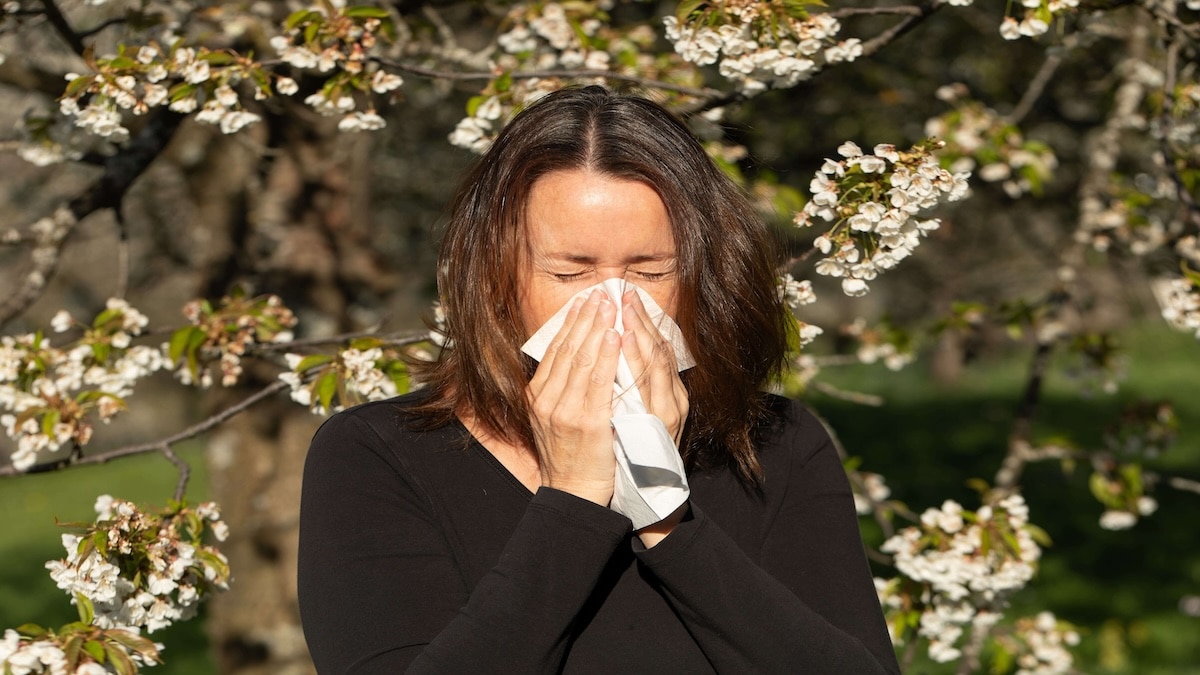
Allergic rhinitis — commonly known as hay fever — is an inflammatory response of the nasal passages to allergens like pollen, dust mites, mold, or pet dander. When the immune system overreacts to these otherwise harmless triggers, it releases histamine, which sets off the familiar cascade of sneezing, runny nose, and congestion. It comes in two forms: seasonal, tied to pollen counts, and perennial, which lingers year-round from indoor allergens. In South Florida, where something is almost always blooming, both varieties keep plenty of people reaching for tissues. Allergic rhinitis is also frequently confused with sinusitis, a related inflammation of the sinuses that often overlaps with — and can follow — allergy-driven congestion.
Allergic rhinitis makes itself known quickly. Typical symptoms include:
The underlying cause is an overactive immune response to an allergen. Genetics play a part — allergies tend to run in families — as do environmental exposures. For many, symptoms worsen at specific times of year or in particular settings, which often offers a clue about the trigger.
In Chinese medicine, allergic rhinitis is often linked to a weakness in the body’s protective Qi — the outer defensive layer thought to guard against external influences like wind and dampness. When that defense runs low, the body becomes more reactive to allergens. Rather than simply suppressing symptoms, acupuncture aims to strengthen this underlying resilience while easing the acute congestion and irritation. Dr. Willcox assesses each patient’s pattern — whether symptoms lean toward heat, dampness, or deficiency — and builds treatment around it.
Acupuncture for allergic rhinitis is one of the better-studied uses of acupuncture, and it is thought to work by modulating the immune response and calming nasal inflammation. Points around the face and sinuses, and along the body, are selected to ease congestion, reduce histamine-driven irritation, and support the body’s overall balance.
The research here is encouraging. A systematic review and meta-analysis found that acupuncture was more effective than sham acupuncture at reducing nasal symptoms and improving quality of life for people with allergic rhinitis — and the reviewed studies reported a strong safety profile. Acupuncture has also been included in some allergy treatment guidelines as an option patients may consider alongside conventional care.
At Acupuncture Zen, allergic rhinitis is often addressed with acupuncture and, where appropriate, Chinese herbal medicine — always as a complement to, never a replacement for, the care of a physician or allergist, particularly for anyone with asthma or severe allergies.
A first visit begins with a conversation about symptoms, triggers, and their seasonal or year-round pattern. From there, a typical session involves the gentle placement of fine needles at points chosen to relieve congestion and support immune balance, followed by a quiet period of rest. Many patients find the sessions themselves relaxing — a calm reprieve from the day. Because allergic rhinitis is often seasonal, some patients begin treatment before their known trigger season for optimal support.