


Alopecia

Alopecia

Losing your hair can feel deeply personal — it affects not just your appearance but also your confidence and emotional well-being. At Acupuncture Zen in Delray Beach, acupuncture for alopecia is offered as a gentle, complementary approach that some patients explore alongside dermatological care. It is not a guaranteed fix, and it is never a replacement for proper medical diagnosis — but for some, it becomes one supportive part of a broader effort to care for the scalp and the whole person.
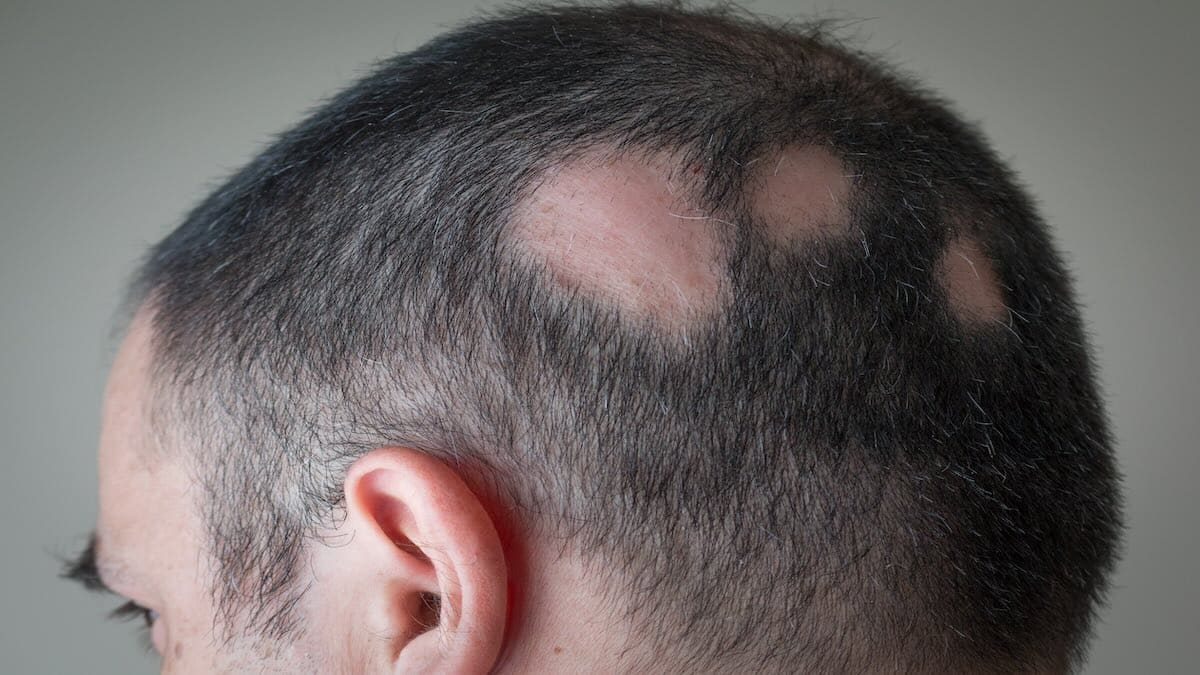
Back of a person's head showing patchy hair loss from alopecia areata

What Is Alopecia?

Alopecia is the medical term for hair loss, and it takes several forms. Alopecia areata is an autoimmune condition in which the immune system attacks the hair follicles, causing patchy loss on the scalp or body. Androgenetic alopecia — male- or female-pattern hair loss — is the most common type, driven largely by genetics and hormones. Other forms include telogen effluvium, a temporary shedding triggered by stress or illness, and scarring alopecias. Because the causes differ so much, an accurate diagnosis from a dermatologist is an important first step.

Common Symptoms & Causes

Hair loss looks different depending on the type. Common presentations include:

  •     Round, smooth patches of loss on the scalp (alopecia areata)
  •     Gradual thinning at the crown or hairline (pattern hair loss)
  •     Diffuse, widespread shedding (telogen effluvium)
  •     Loss of eyebrow, eyelash, or body hair
  •     Itching, tingling, or tenderness in affected areas

Causes range from autoimmune activity and genetics to hormonal shifts, stress, nutritional gaps, and certain medical conditions. Emotional stress, in particular, is both a possible trigger and a common consequence — which is part of why a whole-person approach appeals to so many patients.

The Chinese Medicine Perspective

In Chinese medicine, the health of the hair is closely tied to the Kidney and Liver systems and to the quality of the Blood — hair is sometimes described as an extension of the Blood. Sudden or patchy loss is often linked to stagnation, heat, or a deficiency that leaves the scalp undernourished. Rather than focusing on the scalp alone, treatment aims to address these underlying imbalances — nourishing the Blood, calming stress, and encouraging healthy circulation to the area. Dr. Willcox evaluates each patient’s constitution and pattern before building a plan.

How Acupuncture May Help Alopecia

Acupuncture for alopecia often uses a specialized technique known as plum-blossom or seven-star needling — gentle tapping with a small cluster of fine needles over the affected scalp, thought to stimulate local circulation and support the follicles’ natural environment for regrowth. Body points may be added to address the underlying pattern, whether that is stress, hormonal imbalance, or Blood deficiency.

The research here is early but encouraging. A 2026 systematic review and meta-analysis of eleven randomized trials found that plum-blossom needling combined with conventional treatment improved outcomes more than conventional treatment alone for alopecia areata — though the authors were clear that the certainty of the evidence was low, and that larger, higher-quality studies are still needed. In other words, acupuncture is best understood here as a complementary option worth exploring, not a proven cure.

At Acupuncture Zen, alopecia is approached with acupuncture and, where appropriate, Chinese herbal medicine — always alongside, never instead of, care from a dermatologist.

What to Expect at Your Visit

A first visit begins with a conversation about the pattern and history of hair loss, as well as stress, sleep, diet, and overall health. Treatment is gentle — light scalp needling combined with body points chosen for the individual’s pattern, followed by a quiet period of rest. Because hair grows slowly, any change tends to unfold over months, so patients are encouraged to think in terms of a series of sessions rather than a quick fix. Dr. Willcox coordinates with a patient’s dermatologist whenever helpful.

Frequently asked questions

Hair grows slowly, so any change typically unfolds over months, not weeks. Consistency matters, and results vary from person to person — some see improvement, others do not.

Yes. Because hair loss can signal underlying medical conditions, a dermatologist’s diagnosis is an important first step. Acupuncture is meant to complement that care, not replace it.

A Complementary Approach

Hair loss can be discouraging, but it doesn’t have to be faced alone — and acupuncture offers one gentle, supportive avenue to explore. It is offered here as a complement to dermatological care, never a substitute for proper diagnosis or treatment. Anyone experiencing hair loss is encouraged to consult a dermatologist to identify the underlying cause.

Peace and Blessings,
Dr. Tony Willcox, PhD, D.A.O.M.