Joint Pain Relief in Delray Beach
Medically reviewed by Dr. Tony Willcox, PhD, D.A.O.M., A.P.
Last reviewed: September 2026



Medically reviewed by Dr. Tony Willcox, PhD, D.A.O.M., A.P.
Last reviewed: September 2026
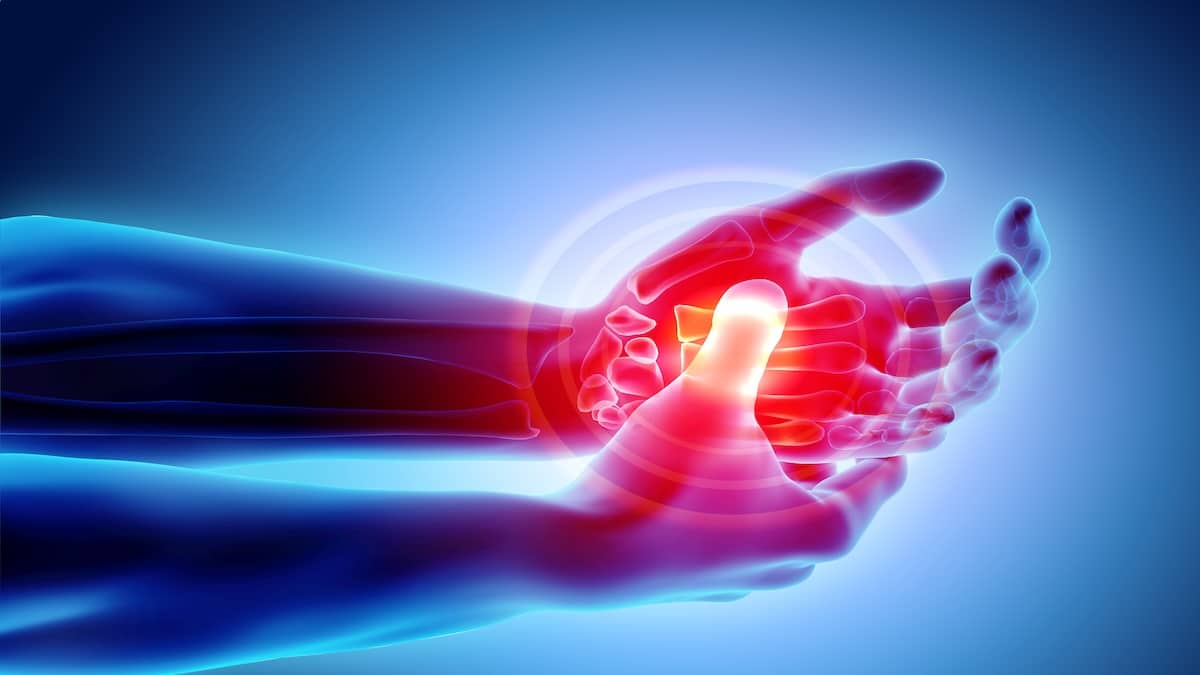
Arthritis isn’t a single disease — it is an umbrella term for more than a hundred conditions that cause joint inflammation, pain, and stiffness. The two most common are osteoarthritis, the wear-and-tear form in which cartilage gradually breaks down, and rheumatoid arthritis, an autoimmune condition in which the immune system attacks the joints. Both cause pain, swelling, and reduced range of motion, though their underlying mechanisms differ. Arthritis becomes more common with age, but it can affect people at any stage of life.
Arthritis announces itself through the joints. Typical symptoms include:
Causes depend on the type. Osteoarthritis stems largely from cumulative joint wear, injury, and age, while rheumatoid and other inflammatory forms arise from immune dysfunction. Genetics, past injury, and lifestyle can all play a part.
In Chinese medicine, arthritis falls under a category known as Bi syndrome — literally obstruction syndrome — in which the flow of Qi and Blood through the joints becomes blocked, often by external influences described as wind, cold, damp, or heat. This obstruction is what produces the pain and stiffness. Treatment aims to restore free flow through the affected joints, clear the obstructing factor, and support the body’s underlying strength. Because a cold, damp arthritis behaves differently from a hot, inflamed one, Dr. Willcox identifies which pattern is at play and tailors treatment to match.
Acupuncture for arthritis is thought to work by prompting the nervous system to release natural pain-relieving compounds, easing muscle tension around the joint, and calming local inflammation. For many patients, it offers meaningful relief without the side effects that can accompany long-term pain medication.
This is one of acupuncture’s better-supported uses, particularly for knee osteoarthritis. A 2024 systematic review and meta-analysis of ten randomized trials found that acupuncture may provide durable relief of pain and improved joint function, with benefits lasting several months after treatment ended. While more research is always welcome, this is a comparatively strong evidence base for a complementary therapy.
At Acupuncture Zen, arthritis is often addressed with acupuncture, sometimes combined with electro-acupuncture, cupping, or laser therapy to support circulation and ease inflammation — always as a complement to, not a replacement for, the care of a physician or rheumatologist. This matters especially for inflammatory types such as rheumatoid arthritis, where acupuncture supports comfort while medical treatment manages the disease itself.
A first visit begins with a conversation about which joints are affected, whether arthritis has been diagnosed and its type, and how symptoms affect daily life. Treatment involves fine needles placed around the affected joints and along supporting body points, followed by a quiet period of rest. Because arthritis is usually a chronic, ongoing condition, treatment is typically framed as a series of sessions with periodic maintenance rather than a one-time fix. Dr. Willcox coordinates with a patient’s physician whenever helpful.