Cough & Congestion Relief in Delray Beach
Medically reviewed by Dr. Tony Willcox, PhD, D.A.O.M., A.P.
Last reviewed: September 2026



Medically reviewed by Dr. Tony Willcox, PhD, D.A.O.M., A.P.
Last reviewed: September 2026
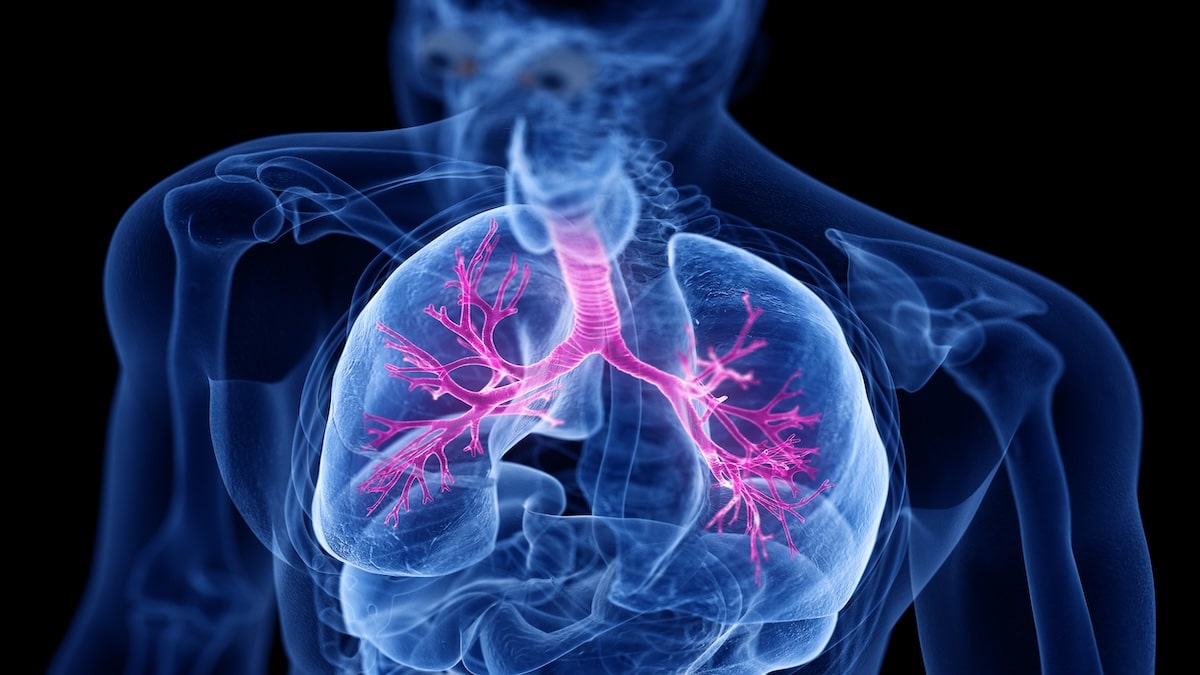
Bronchitis is an inflammation of the bronchial tubes, the airways that carry air to and from the lungs. When these tubes become inflamed, they swell and produce excess mucus, triggering the characteristic cough. There are two main types. Acute bronchitis usually follows a cold or respiratory infection, is most often viral, and typically clears on its own within a couple of weeks. Chronic bronchitis is a longer-term condition — defined as a productive cough lasting at least three months over two consecutive years — and is a form of chronic obstructive pulmonary disease (COPD), often linked to smoking or long-term irritant exposure. The two are quite different, and chronic bronchitis in particular needs ongoing medical management.
Bronchitis centers on the cough, but it brings other symptoms too:
Acute bronchitis is usually caused by the same viruses behind colds and flu. Chronic bronchitis is most often caused by smoking, though air pollution, dust, and repeated respiratory infections contribute. Because a lasting cough can occasionally point to pneumonia, asthma, or other conditions, persistent or severe symptoms — especially with fever, blood, or breathlessness — warrant medical evaluation.
In Chinese medicine, bronchitis is understood primarily as a disturbance of the Lung, whose role is to govern Qi and the movement of breath. An acute cough is often seen as an invasion of external wind, cold, or heat that obstructs the Lung’s downward-flowing function, while a chronic, phlegmy cough may reflect an underlying weakness in the Lung and Spleen that allows dampness and phlegm to accumulate. Treatment aims to clear the obstruction, resolve phlegm, and — for chronic patterns — strengthen the underlying systems. Because a hot, dry cough is approached differently from a cold, wet one, Dr. Willcox distinguishes between them before treating.
Acupuncture for bronchitis is thought to work by helping to calm airway inflammation, ease the muscle tension that drives coughing, support the clearing of mucus, and bolster overall immune resilience. Many patients also find it helps with the fatigue and disrupted sleep that a nagging cough brings.
The strongest research is in chronic bronchitis and COPD, where acupuncture is used as an adjunct to standard care. A 2025 systematic review and meta-analysis found that acupuncture-based treatment, added to conventional care, improved exercise capacity and breathlessness in COPD, which includes chronic bronchitis — though the authors noted the quality of the underlying evidence was still limited. For acute bronchitis, which usually resolves on its own, acupuncture is best thought of as comfort care that may ease symptoms during recovery.
At Acupuncture Zen, bronchitis is often addressed with acupuncture and, where appropriate, Chinese herbal medicine — a traditional pairing for cough and phlegm — always alongside a physician’s care, particularly for chronic bronchitis or any lasting cough.
A first visit begins with a conversation about the cough — how long it has lasted, whether it is productive, and any related symptoms or diagnoses. Treatment involves fine needles at points chosen to support the lungs, ease coughing, and clear congestion, often with warming techniques for a cold-type cough. Sessions end with a period of rest. For an acute cough, a few sessions may be enough, while chronic bronchitis is usually approached as ongoing, supportive care. Dr. Willcox coordinates with a patient’s physician, especially where a cough is persistent or a chronic lung condition is involved.