


Common Cold

Common Cold

We all know the common cold — the scratchy throat, the stuffy nose, the days of feeling just a bit miserable. It is rarely serious, but it can knock you off your stride. At Acupuncture Zen in Delray Beach, acupuncture for the common cold is offered as a gentle, complementary approach to easing symptoms and supporting the body’s own defenses. It won’t cure a virus — nothing quite does — but it may help you feel more comfortable while your body does the work of getting better.
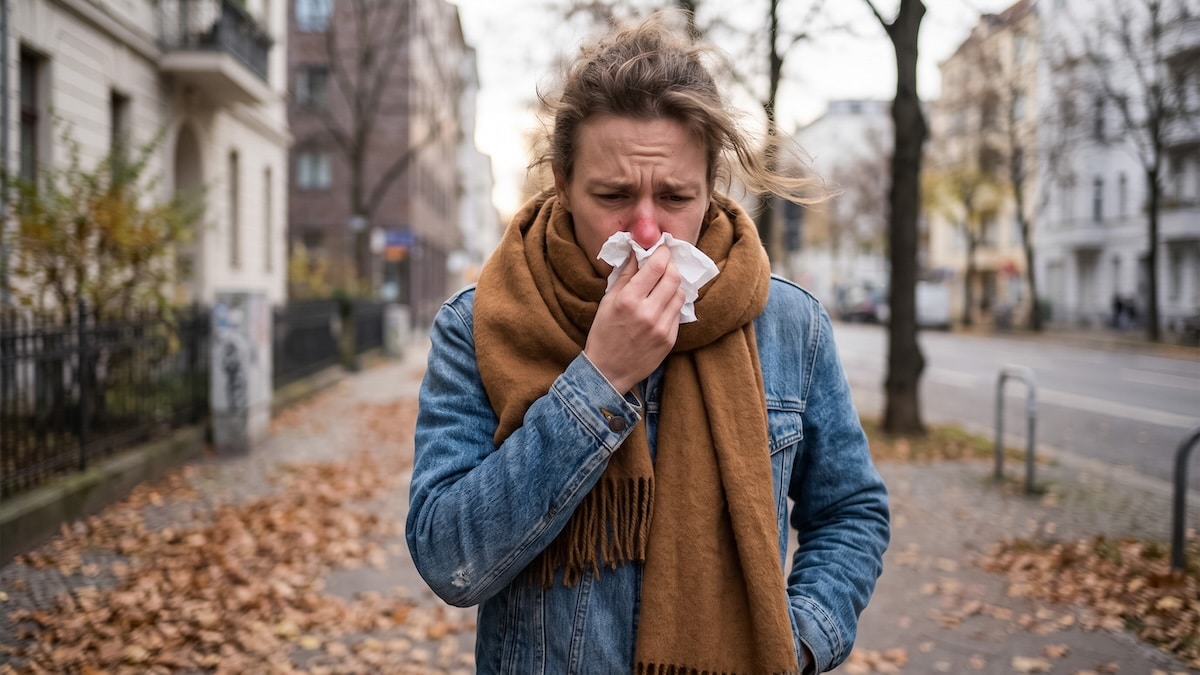
Person in a scarf blowing their nose outdoors on a cold day, representing the common cold

What Is the Common Cold?

The common cold is a mild viral infection of the upper respiratory tract — the nose, throat, and sinuses. It is caused by any of hundreds of viruses, most often rhinoviruses, which is why we catch so many colds over a lifetime and why there is no vaccine for it. A cold typically runs its course in a week to ten days, resolving on its own. Because it is viral, antibiotics are of no help, and conventional treatment mostly aims at easing symptoms while the immune system clears the infection. For most people, a cold is simply an inconvenience — though it is worth knowing when symptoms point to something more.

Common Symptoms & Causes

Cold symptoms build over a day or two and then gradually fade. They typically include:

  • Runny or stuffy nose and sneezing
  • Sore or scratchy throat
  • Cough and mild chest congestion
  • Mild headache or body aches
  • Low-grade fever, fatigue, and a general run-down feeling

Colds are caused by viruses spread through the air and by contact with contaminated surfaces. Frequent handwashing and rest remain the best defenses. Because cold symptoms overlap with the flu, COVID-19, sinus infections, and strep throat, severe symptoms, a high fever, difficulty breathing, or symptoms that drag on beyond about 10 days deserve a doctor’s evaluation.

The Chinese Medicine Perspective

In Chinese medicine, the common cold is one of the oldest and most familiar conditions — traditionally seen as an invasion of external wind into the body’s protective outer layer, often paired with cold or heat. This is why practitioners distinguish a wind-cold pattern, with chills, clear mucus, and body aches, from a wind-heat pattern, with sore throat, fever, and yellow mucus — each calling for a different approach. Treatment aims to help the body expel the external influence and restore the strength of its protective Qi. Dr. Willcox identifies the pattern before treating, and often addresses the lingering fatigue and congestion that can trail a cold.

How Acupuncture May Help the Common Cold

Acupuncture for the common cold is thought to work in two ways: easing the immediate symptoms — congestion, headache, sore throat — and supporting the immune system’s response. Some patients notice relief from a stuffy head or sinus pressure even during a session. It is especially popular for clearing the lingering aftermath of a cold, when the acute phase has passed, but energy and clear breathing haven’t fully returned.

It is worth being honest about the evidence: research in this area is limited. A multicentre randomized trial in Japan found that people receiving acupuncture reported fewer cold symptoms on one measure than an untreated group. However, the effect was not significant for all measures, and no safety problems were observed. Overall, more and better research would be needed to draw firm conclusions. In practice, acupuncture is best viewed as comfort-focused, supportive care for a condition that resolves on its own.

At Acupuncture Zen, colds are often addressed with acupuncture and, where appropriate, Chinese herbal medicine — a centuries-old tradition for colds and their aftermath — always as a complement to rest and sensible self-care.

What to Expect at Your Visit

A visit begins with a quick conversation about your symptoms and how they started. Treatment involves fine needles at points chosen to relieve congestion, soothe the throat, and support immune function, sometimes with gentle warming techniques, followed by a period of rest. For an active cold, a session or two during the illness may be all that is needed, while for lingering after-effects, a couple of follow-ups can help restore energy. Dr. Willcox will always suggest seeing a physician if symptoms seem more serious than a simple cold.

Frequently asked questions

Acupuncture will not cure a viral cold, and no treatment reliably does. It may help ease symptoms and support your body while the cold runs its natural course. Rest, fluids, and time remain the foundation.

Some people use regular acupuncture, especially as the cold season approaches, to support overall immune resilience. While this is a traditional use, it is best thought of as general wellness support rather than a guaranteed shield against every virus.

A Complementary Approach

A cold will pass on its own — but a little support can make the days more comfortable. Acupuncture offers one gentle, drug-free way to ease symptoms and help you feel more like yourself. It is offered here as a complement to rest and self-care, never a substitute for medical evaluation when symptoms are severe or persistent. See your physician for a high fever, difficulty breathing, or symptoms that outlast a typical cold.

Peace and Blessings,
Dr. Tony Willcox, PhD, D.A.O.M.