


Essential Tremor

Essential Tremor

A trembling hand that makes writing, eating, or holding a cup difficult can be more than frustrating — it can chip away at independence and confidence. At Acupuncture Zen in Delray Beach, acupuncture for essential tremor is offered as a complementary approach that may help ease shaking and support daily functioning, particularly for those who find medications only partially effective or hard to tolerate. It works alongside neurological care, never in its place.
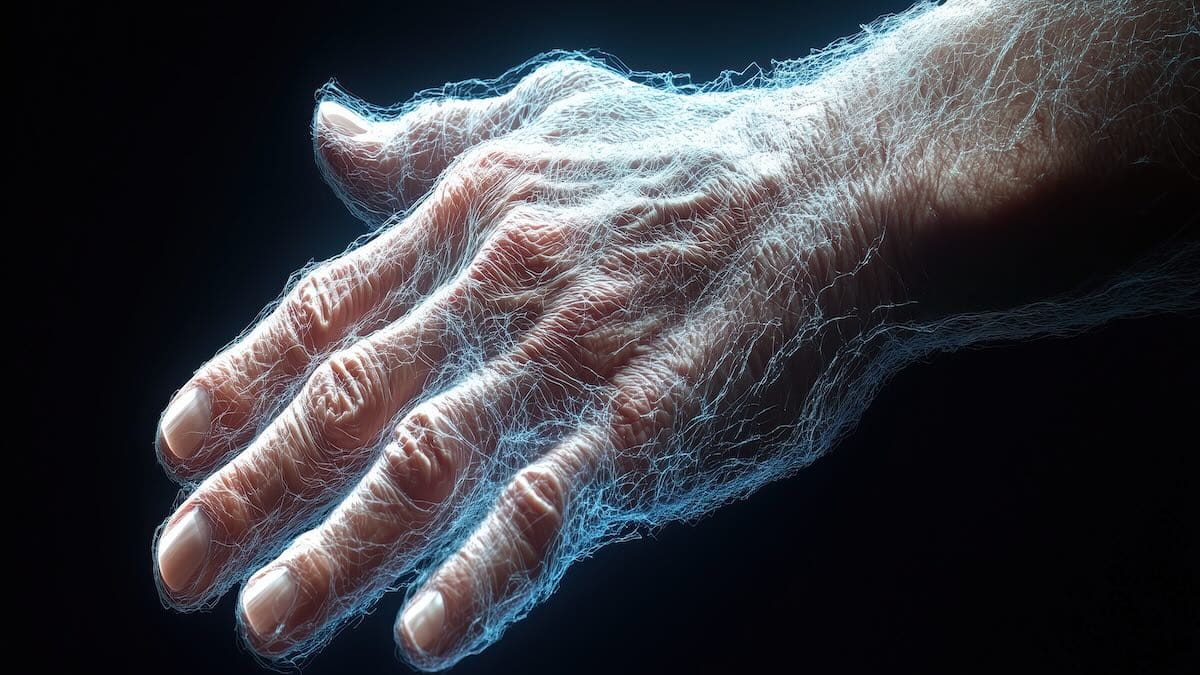
Close-up of an aging hand with a glowing neural network overlay illustrating the nervous system in essential tremor

What Is Essential Tremor?

Essential tremor is the most common movement disorder — a neurological condition that causes rhythmic, involuntary shaking, most often in the hands, but sometimes affecting the head, voice, or other areas. It typically worsens with movement, such as reaching for an object, and tends to become more pronounced with age. Importantly, essential tremor differs from Parkinson’s disease: Parkinson’s tremor usually occurs at rest and is accompanied by other features, whereas essential tremor occurs with action and is generally an isolated symptom. Conventional treatment includes medications like propranolol and primidone, though these don’t help everyone, and some people struggle with side effects — which is part of why complementary options draw interest.

Common Symptoms & Causes

Essential tremor centers on involuntary shaking. Common features include:

  • Rhythmic trembling of the hands, especially during activity
  • Shaking that worsens with stress, fatigue, or caffeine
  • Trembling of the head, voice, or legs in some people
  • Difficulty with fine tasks — writing, eating, pouring
  • Tremor that eases at rest, and with alcohol in some cases

Essential tremor often runs in families, and while its exact cause isn’t fully understood, it is believed to involve abnormal activity in the brain’s cerebellum and its connections. It is generally a slowly progressive condition. Because a new or changing tremor can sometimes signal other conditions, a proper diagnosis from a physician or neurologist is an important first step.

The Chinese Medicine Perspective

In Chinese medicine, tremor is classically understood as a manifestation of internal wind — a stirring, moving quality that produces shaking and involuntary motion. This wind is often linked to the Liver, and may arise from an underlying deficiency of Blood or Yin that fails to anchor and nourish the body, or from Liver Yang rising unchecked. Treatment aims to calm the internal wind, nourish the underlying deficiency, and steady the body. Scalp acupuncture, which targets areas corresponding to movement, is often central to the approach. Dr. Willcox assesses each person’s pattern before treating.

How Acupuncture May Help Essential Tremor

Acupuncture for essential tremor — and scalp acupuncture in particular — is thought to work by influencing the brain circuits involved in movement and by modulating neurotransmitters such as GABA, which help regulate the nervous system’s control of motion. By calming overactive signaling, acupuncture may help reduce tremor amplitude in some people.

The research is preliminary but of genuine interest. A 2026 network meta-analysis and systematic review found that acupuncture-related treatments were effective and safe for essential tremor, with scalp acupuncture performing particularly well — though the authors cautioned that the evidence was preliminary, citing small studies and methodological limitations. They highlighted acupuncture as a valuable option particularly for patients who tolerate medication poorly. Earlier research also suggested that acupuncture combined with medication may be more effective than medication alone. In short, acupuncture is best understood as a complementary or adjunctive option worth exploring alongside standard care.

At Acupuncture Zen, essential tremor is often addressed with acupuncture, including scalp acupuncture, always as a complement to, not a replacement for, a patient’s neurological care.

What to Expect at Your Visit

A first visit begins with a conversation about the tremor — when it started, what makes it better or worse, how it affects daily life, and any diagnosis or medications already in place. Treatment often involves fine needles at scalp points corresponding to movement, along with body points chosen for the individual’s pattern, followed by a period of rest. Because neurological change is gradual, treatment is usually a series of sessions. Dr. Willcox coordinates with a patient’s physician or neurologist and encourages the patient to continue any prescribed treatment.

Frequently asked questions

No. They are different conditions. Essential tremor typically appears with movement and is usually an isolated symptom, whereas Parkinson’s tremor often occurs at rest and is accompanied by other signs. A neurologist can distinguish between them, which is why an accurate diagnosis matters.

No. Acupuncture is a complementary approach that may help ease symptoms. It is best used alongside standard care, and medications should only be changed under your physician’s guidance — though it may be especially worth exploring if medication has been poorly tolerated.

A Complementary Approach

Living with a tremor can affect the simplest daily tasks — and acupuncture offers one gentle, drug-free avenue that may help steady the hand and support quality of life. It is offered here as a complement to neurological care, never a substitute for proper diagnosis or treatment. Patients are encouraged to work with their physician or neurologist for an accurate diagnosis and coordinated care.

Peace and Blessings,
Dr. Tony Willcox, PhD, D.A.O.M.