


Headache

Headache

Few things derail a day like a headache — the throb, the pressure, the way it makes it hard to think, work, or simply be present. At Acupuncture Zen in Delray Beach, acupuncture for headaches is offered as a well-researched, drug-free approach that may help reduce how often headaches strike and how much they hurt. It is one of the conditions where acupuncture has genuinely strong evidence — and it offers relief without the risk of the rebound headaches that overusing painkillers can bring.
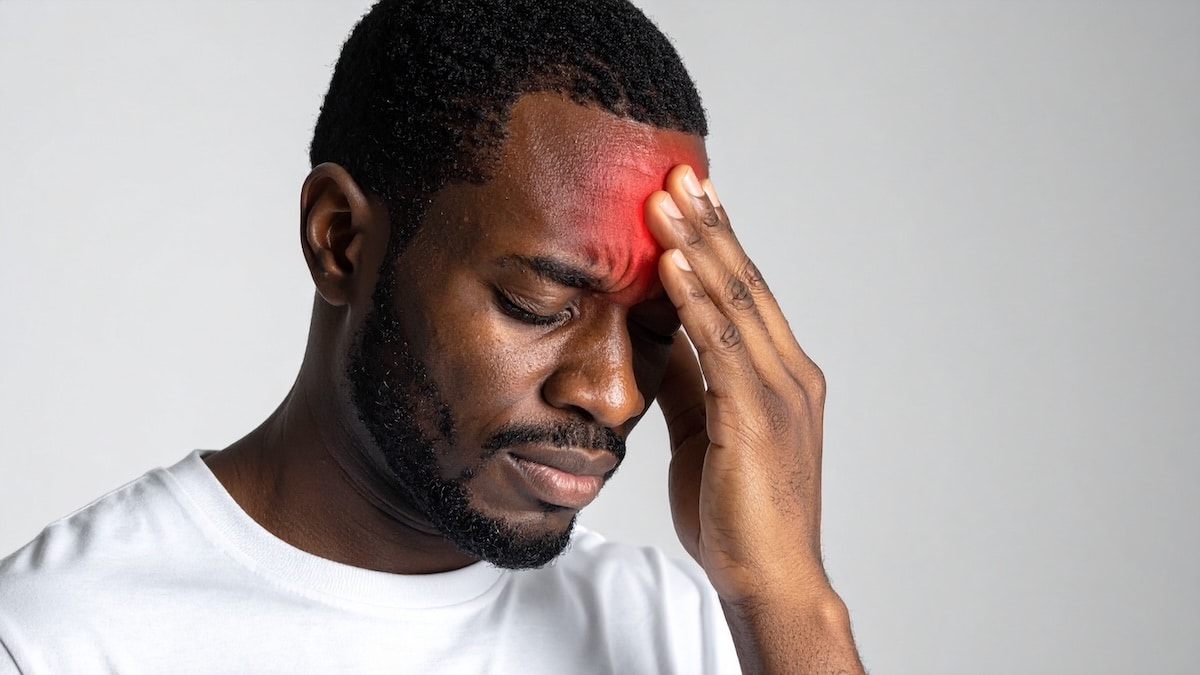
Man pressing his temple with headache pain highlighted — headache care at Acupuncture Zen in Delray Beach

What Is a Headache?

Headache covers a range of conditions, but most fall into a few categories. Tension-type headache is by far the most common — a dull, pressing, band-like ache around the head, often tied to stress, muscle tension, posture, and fatigue. Migraine is a distinct and often more severe headache with its own features, covered on its own page. Cluster headaches, sinus headaches, and others each have their own patterns. Most headaches are primary, meaning another underlying disease doesn’t cause them. But because a small number can signal something serious, it is important to know the warning signs — covered below — that call for prompt medical care.

Common Symptoms & Causes

Headaches vary by type, but tension-type headaches — the most common — typically bring:

  • A dull, aching pressure, often described as a tight band around the head
  • Tenderness in the scalp, neck, and shoulder muscles
  • Pain on both sides of the head
  • A sense of tightness rather than throbbing
  • Headaches triggered or worsened by stress, poor posture, or fatigue

Common triggers and contributors include stress and anxiety, muscle tension in the neck and shoulders, poor posture, eye strain, dehydration, poor sleep, and — importantly — the overuse of pain medication, which can paradoxically cause rebound headaches. Because so many headaches are driven by tension and stress, an approach that addresses both the muscles and the nervous system can be especially helpful.

The Chinese Medicine Perspective

In Chinese medicine, headaches are understood according to their location, quality, and cause. A tension headache might reflect Liver Qi stagnation from stress, or an obstruction of Qi and Blood in the channels that cross the head and neck, often accompanied by tight, knotted muscles. Other headaches may stem from patterns of heat, dampness, or underlying deficiency. The location offers clues — a headache at the temples is read differently from one at the back of the head or the forehead. Treatment aims to release the obstruction, ease the muscular tension, calm the Liver, and restore smooth flow. Dr. Willcox identifies the specific pattern before treating.

How Acupuncture May Help Headaches

Acupuncture for headaches is thought to work by releasing the muscular tension in the neck, shoulders, and scalp that drives so many headaches, calming the nervous system’s processing of pain, and encouraging the release of the body’s natural pain-relieving compounds. For headaches with a strong muscular component, treatment of the tight bands and trigger points in the neck and shoulders can be especially effective.

This is one of acupuncture’s best-supported uses. A Cochrane review — among the most rigorous forms of medical evidence — found that acupuncture can reduce the frequency of tension-type headaches, concluding it could be a valuable non-drug option for people with frequent or chronic tension headaches. Acupuncture also has strong Cochrane-reviewed evidence for reducing the frequency of migraines, which you can read about on the migraine page. For people looking to reduce their reliance on pain medication — and avoid rebound headaches — this drug-free track record is especially appealing.

At Acupuncture Zen, headaches are often addressed with acupuncture, sometimes with dry needling of the neck and shoulder muscles, electro-acupuncture, or cupping — always as a complement to appropriate medical care.

What to Expect at Your Visit

A first visit begins with a thorough conversation about the headaches — where they occur, how often, what they feel like, what triggers them, and any diagnosis or medications already in place. Dr. Willcox may assess the neck and shoulder muscles for tension. Treatment involves fine needles at points on the head, neck, and body, often with attention to the muscular tension that feeds headaches, followed by a period of rest. Because headache prevention builds over time, treatment is usually a series of sessions aimed at reducing both frequency and intensity. Dr. Willcox coordinates with a patient’s physician.

Frequently asked questions

Acupuncture for headaches works best as a preventive course rather than a one-time fix. Many people are encouraged to try a series of sessions over several weeks, after which frequency and intensity often decline. Chronic headaches may benefit from ongoing maintenance.

Yes — this is one of acupuncture’s strengths. It offers a drug-free way to reduce headache frequency, which can be especially valuable for people caught in the cycle of medication-overuse, or rebound, headaches. Your physician should guide any change to medication.

Seek immediate medical care for a sudden, severe worst-headache-of-your-life, a headache with fever and stiff neck, or one accompanied by confusion, weakness, vision loss, difficulty speaking, or following a head injury. A new or changing headache pattern, especially after age 50, also warrants prompt evaluation. Acupuncture is not a treatment for these situations.

A Complementary Approach

Chronic or frequent headaches can quietly shrink your life — and acupuncture offers one of the most evidence-supported drug-free avenues for relief. It is offered here as a complement to conventional care, never a substitute for medical evaluation, particularly when headaches are severe, sudden, or accompanied by warning signs. Patients are encouraged to keep their physician informed as part of a coordinated approach.

Peace and Blessings,
Dr. Tony Willcox, PhD, D.A.O.M.