Insomnia & Better Sleep Support in Delray Beach
Medically reviewed by Dr. Tony Willcox, PhD, D.A.O.M., A.P.
Last reviewed: September 2026



Medically reviewed by Dr. Tony Willcox, PhD, D.A.O.M., A.P.
Last reviewed: September 2026
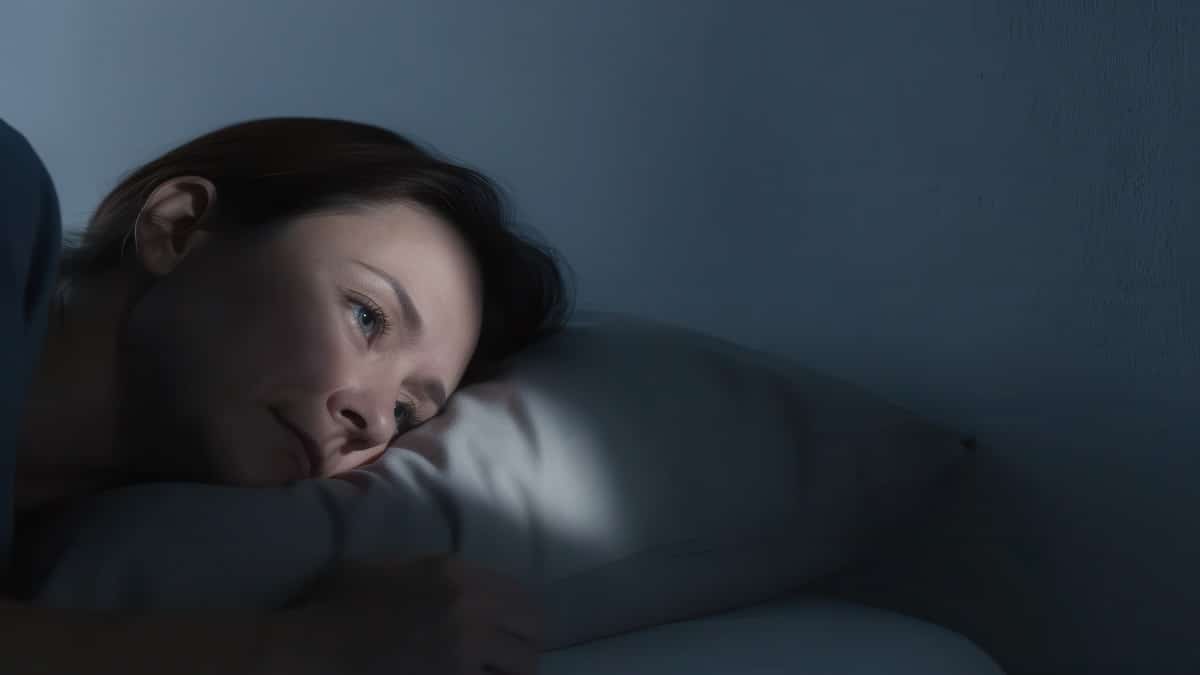
Insomnia is difficulty falling asleep, staying asleep, or getting restorative sleep, despite having the opportunity to sleep. It’s usually described as short-term (acute) when it lasts days or weeks, often tied to stress or a life event, and chronic when it persists at least three nights a week for three months or more. Insomnia isn’t just a nighttime problem — its effects spill into daytime fatigue, irritability, and trouble concentrating, which is what pushes many people to look for lasting help. Sleep disruption is especially common for those coping with PTSD, and acupuncture may help address both conditions together.
Insomnia looks different from person to person, but the common patterns include:
The causes are wide-ranging: stress and anxiety, an overactive mind, hormonal shifts such as menopause, chronic pain, restless legs, caffeine or screen habits, and disrupted routines. Because insomnia can also be a symptom of other medical or psychological conditions, a conversation with a physician is understood to be worthwhile when sleeplessness is persistent, so anything underlying can be addressed.
In Chinese medicine, healthy sleep depends on a calm, settled Shen — often translated as the mind or spirit — which is understood to rest in the Heart at night. When stress, overthinking, or internal imbalance leaves the Shen unsettled, sleep becomes light and broken. Common patterns include Heart and Spleen deficiency, or a Liver-fire pattern where tension and frustration keep the system revved up at night. Rather than simply sedating, this approach aims to calm the mind and restore the internal balance that allows natural sleep to return.
Acupuncture is used to support the body’s shift out of a stress-driven, ‘wired’ state and into the calmer mode that makes sleep possible. Treatment often focuses on points understood to settle the mind and regulate the nervous system, and many patients notice a deep sense of relaxation during and after sessions.
Because stress and sleep are so tightly linked, insomnia care overlaps closely with the calming, regulating effects that draw many patients to acupuncture for anxiety and tension in the first place.
A 2020 systematic review and meta-analysis of fifteen randomized controlled trials found that acupuncture outperformed sham (placebo) acupuncture on several sleep measures, including sleep quality, insomnia severity, total sleep time, and how quickly patients fell asleep (Zhang et al., Sleep Medicine, 2020). The sham comparison is meaningful, as it suggests the benefit isn’t solely a placebo effect — though the authors note that the evidence base would benefit from larger, more rigorous trials.
A first visit begins with a detailed conversation about sleep patterns — when sleep breaks down, what the nights look like, stress levels, diet, screen habits, and any medications involved. Dr. Willcox will identify the pattern that best fits before selecting a point protocol to calm the mind and settle the nervous system. Many patients find the sessions themselves so relaxing that they doze off on the table, which is a good sign for a sleep-related visit. Because sleep habits take time to reset, relief usually builds over a series of sessions, and it works best alongside supportive sleep-hygiene changes.