Osteoarthritis & Joint Pain Relief in Delray Beach.
Medically reviewed by Dr. Tony Willcox, PhD, D.A.O.M., A.P.
Last reviewed: September 2026


Medically reviewed by Dr. Tony Willcox, PhD, D.A.O.M., A.P.
Last reviewed: September 2026
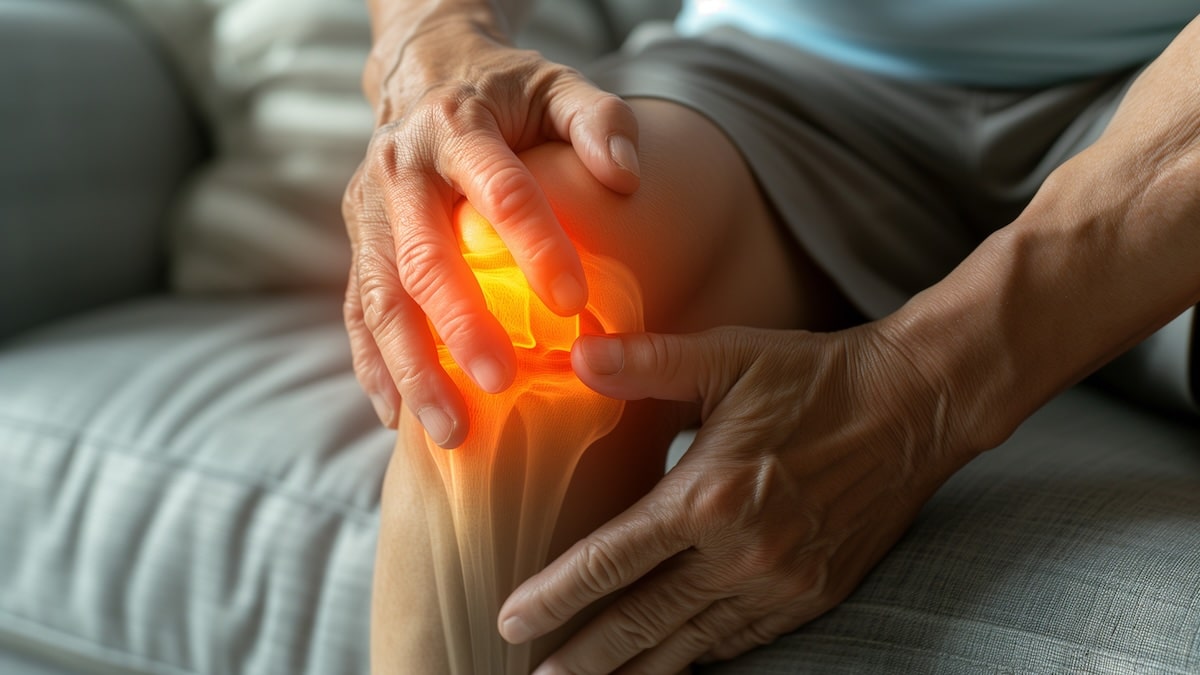
Osteoarthritis is the most common form of arthritis. It develops as the cartilage that cushions the ends of bones gradually wears down, so the joint moves less smoothly and the surrounding tissues become irritated. It most often affects the knees, hips, hands, and spine, and tends to build slowly over years. Unlike rheumatoid arthritis, which is an autoimmune condition, osteoarthritis is primarily a ‘wear-and-repair’ process — though inflammation and muscle weakness around the joint play a real role in how much it hurts.
Osteoarthritis symptoms tend to come on gradually and can include:
Risk factors include age, prior joint injury, repetitive strain, excess weight, and genetics. Because joint pain can have other causes, a diagnosis from a physician is considered the right starting point, so treatment — which often combines exercise, weight management, and pain relief — can be tailored to the specific joints involved.
In Chinese medicine, osteoarthritis falls under what’s traditionally called ‘Bi syndrome’ — a pattern of obstruction where Qi and Blood no longer move freely through a joint, leaving it painful and stiff. Cold and damp weather is understood to deepen this stagnation, which aligns with how many people with osteoarthritis feel worse in damp or chilly conditions. Where the joints feel weak and worn, an underlying Kidney or Liver deficiency governing the bones and tendons may also be considered. Treatment aims to move stagnation, warm and free the joint, and ease the surrounding muscular tension.
Acupuncture targets the affected joints and the muscles that support them, aiming to ease pain and support the body’s natural pain-modulating response. Points are often selected both around the joint and along associated meridians, and treatment pairs naturally with the exercise and strengthening that are cornerstones of osteoarthritis care.
For the muscle tension and trigger points that build up around an arthritic joint, dry needling is sometimes used to release those areas as part of a broader plan.
Osteoarthritis is one of the better-studied uses of acupuncture. A landmark 2012 individual-patient-data meta-analysis pooling nearly 18,000 patients across 29 high-quality trials found acupuncture superior to both sham and no-acupuncture care for chronic pain conditions including osteoarthritis (Vickers et al., Archives of Internal Medicine, 2012). The authors were careful to note that the difference between real and sham acupuncture, while statistically real, was relatively modest — which is why acupuncture is best used as one supportive part of a broader osteoarthritis plan rather than a stand-alone cure.
A first visit begins with a conversation about which joints are affected, how the pain behaves through the day, and what medical care, medication, and physical therapy are already in place. Dr. Willcox will assess the affected joints and surrounding muscles before selecting a point protocol, which may combine local and distal points and, where appropriate, dry needling. Most patients feel a deep, dull ache or muscle release during treatment. Because osteoarthritis is a chronic, slowly progressive condition, relief tends to build over a series of sessions and works best alongside movement, strengthening, and any weight-management goals.