Vertigo & Dizziness Relief in Delray Beach
Medically reviewed by Dr. Tony Willcox, PhD, D.A.O.M., A.P.
Last reviewed: September 2026



Medically reviewed by Dr. Tony Willcox, PhD, D.A.O.M., A.P.
Last reviewed: September 2026
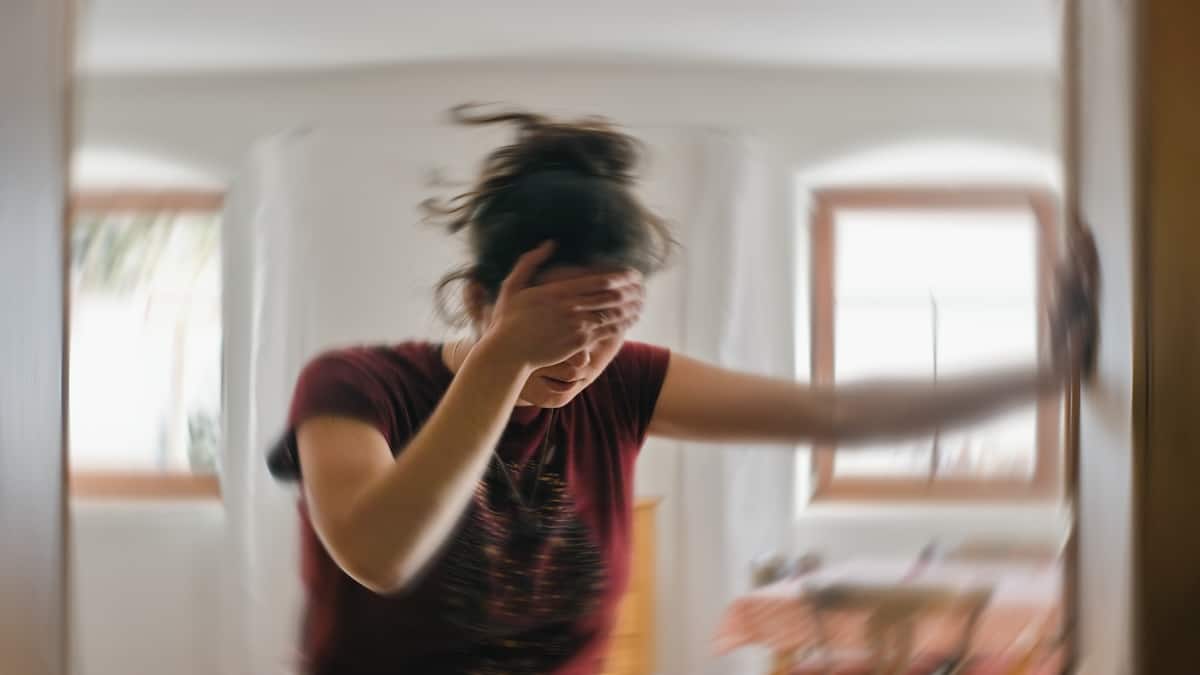
Vertigo is a specific type of dizziness — a false sense of spinning or movement — usually caused by a problem in the inner ear or the balance pathways of the nervous system. It’s a symptom, not a diagnosis, and its causes range widely: benign paroxysmal positional vertigo (BPPV, caused by displaced inner-ear crystals), Ménière’s disease, vestibular neuritis, migraine-related vertigo, and neck-related (cervical) vertigo, among others. Because the right treatment depends entirely on the cause — and because some causes need specific medical care — accurate diagnosis is essential before considering any complementary approach.
Vertigo can involve:
The most common cause is BPPV, which is often resolved with specific repositioning maneuvers performed by a trained clinician — not something acupuncture treats. Other causes include inner-ear inflammation, Ménière’s disease, migraine, and neck-related issues. Because sudden, severe, or new vertigo can occasionally signal a serious problem such as a stroke, medical evaluation is understood to be the essential first step.
Seek emergency care immediately if vertigo comes on suddenly and is severe, or is accompanied by a severe headache, double vision, difficulty speaking, weakness or numbness, trouble walking, or fainting — these can be signs of a stroke. Acupuncture is never a substitute for emergency care.
Chinese medicine has long worked with dizziness and vertigo, often framed by the classical idea that ‘no wind, no dizziness.’ Patterns vary widely: Liver-related ‘wind’ or ‘rising Yang’ for sudden spinning with tension, Phlegm-Damp obstruction for a heavy, muddled dizziness, or underlying deficiency failing to nourish the head in more chronic cases. This individualized framework guides a whole-person approach to support balance and ease symptoms — always after and alongside proper medical diagnosis.
Once a cause has been properly diagnosed, acupuncture is sometimes used as a complement to certain kinds of vertigo — particularly neck-related (cervical) vertigo — and to the tension, nausea, and stress that can accompany dizziness. Because neck tension can contribute to some vertigo, this care overlaps with how many patients use acupuncture for neck tension and stress.
A 2017 systematic review and meta-analysis focused on cervical (neck-related) vertigo found that acupuncture appeared to be a promising approach compared with conventional medication — but the authors were clear that the quality of the evidence was low to very low, limiting how much weight the findings can carry (Hou et al., Evidence-Based Complementary and Alternative Medicine, 2017). So acupuncture is offered as a possible complement for appropriate types of vertigo — not a treatment for every cause, and never a substitute for the diagnosis and care a spinning sensation requires.
A first visit begins with understanding the vertigo — when it happens, what triggers it, how long episodes last, any ear or neurological symptoms, and crucially, whether it has been medically evaluated. If a patient hasn’t been diagnosed, Dr. Willcox will encourage proper medical assessment first, since the right care depends entirely on the cause. Where acupuncture is appropriate, treatment focuses on neck tension, balance support, and nausea and stress related to the symptom, coordinated with a patient’s medical care.