
One of the most profound and distinctive aspects of Traditional Chinese Medicine (TCM) is its recognition that emotional well-being and physical health are inseparable. Every major organ system in TCM is associated with an emotional state — and when an organ is out of balance, both physical and emotional symptoms reflect that disharmony.
The Liver & Anger The Liver is perhaps the most clinically relevant organ system in modern life. In TCM, the Liver governs the smooth flow of Qi (vital energy) and blood throughout the body — and its associated emotion is anger, along with its subcategories: impatience, irritability, frustration, and resentment. When the Liver is congested or imbalanced, this emotional pattern emerges alongside physical symptoms.
Because the Liver stores blood and regulates its smooth circulation, a Liver imbalance can manifest across a surprisingly wide range of conditions, including:
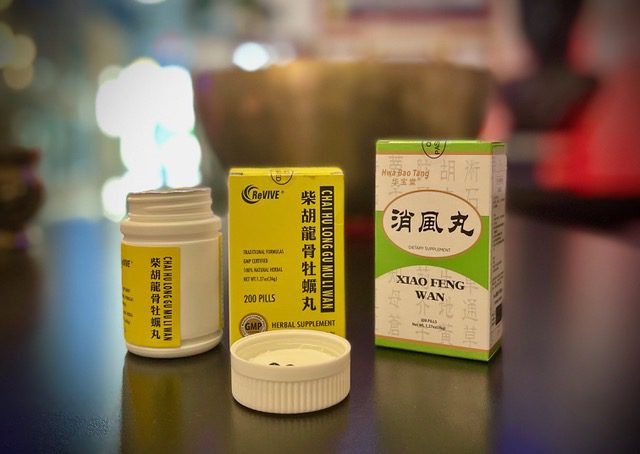
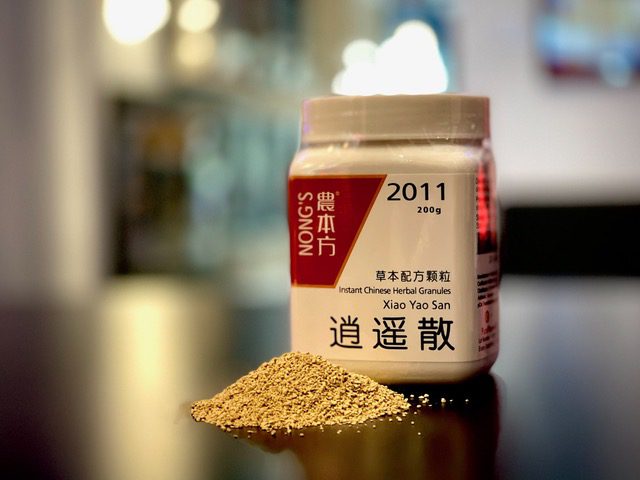
There is a well-known saying in TCM: “When the Liver is not happy, the mind is not happy.” The foundational herbal formula used to harmonize the Liver is so effective at lifting mood and easing emotional tension that it has earned the nickname “the happy pill” among practitioners. Targeted acupuncture points are prescribed alongside this formula to shift the body’s pattern from disharmony back to harmony — addressing the root cause rather than simply suppressing symptoms.
Beyond the Liver — A Complete Emotional Map. The Liver is just one component of a sophisticated, comprehensive diagnostic framework. Every organ system carries its own emotional and physical signature:
Each of these organ systems has its own set of syndromes, symptoms, pulse qualities, and corresponding herbal and acupuncture treatments. Dr. Tony’s ability to read the pulse and tongue across all these systems enables a level of diagnostic precision that is truly personalized medicine.
Chinese herbal medicine is not simply about the chemical constituents of a plant — it is about understanding the energetic nature and movement of each herb and how that movement interacts with the body’s own patterns of disharmony.
A powerful example of this principle is the concept of directional energy in herbal prescribing:
A flower, by its very nature, grows upward — rising toward the sun, opening, and expanding. This uplifting, energetic property makes flower-based herbs particularly well-suited for conditions where energy is low or depleted — such as depression, prolapse, or chronic fatigue. Prescribing a rising herb for a person whose energy is already depleted and downward-trending supports the body’s natural desire to lift and open.
A seed, by contrast, has a downward, descending energetic — falling from the plant to reproduce, driving toward the earth. This descending quality makes seed-based herbs better suited for conditions requiring downward movement, such as constipation, insomnia when the mind won’t settle, or rebellious Qi that causes nausea and acid reflux. Prescribing a seed-type herb to someone already experiencing depression would compound the problem — driving their energy further downward rather than lifting it.
This level of nuanced, energetically intelligent prescribing is what separates a board-certified Chinese herbal medicine practitioner from a general wellness approach. At Acupuncture Zen, every herbal formula is prescribed with this depth of understanding — matching not just your diagnosis, but the energetic pattern your body is expressing at this moment in time.
When it comes to ingesting herbal medicine, your practitioner’s credentials matter enormously. Dr. Tony Willcox is Nationally Board Certified in both Acupuncture and Chinese Herbal Medicine through the National Certification Board for Acupuncture and Herbal Medicine (NCBAHM), formerly known as the NCCAOM — holding the full Diplomate in Oriental Medicine certification, which includes the Chinese Herbal Medicine module. This advanced dual certification is pursued by only roughly a quarter of all board-certified acupuncturists in the United States, reflecting the significant additional commitment of study, clinical training, and examination required to prescribe herbal medicine safely and effectively.
Achieving board certification in herbal medicine requires mastering an extensive pharmacopeia of individual herbs, complex formula combinations, herb-drug interactions, and condition-specific prescribing — a level of study that most practitioners simply do not undertake. When you receive herbal medicine at Acupuncture Zen, you can be confident it is prescribed by one of the most thoroughly trained herbal medicine practitioners in South Florida.
The herbal medicines used at Acupuncture Zen are sourced exclusively from GMP (Good Manufacturing Practice) certified facilities based in the United States — the same manufacturing standard required of pharmaceutical companies. Every formula is tested for purity, potency, and safety, ensuring you receive only the highest quality products available.
Dr. Tony prescribes primarily from proven, patented herbal formulas with established clinical track records, carefully selected and tailored to your individual health needs. Your safety, confidence, and healing are always the priority.
Chinese herbal medicine works powerfully alongside acupuncture to address a wide range of physical, emotional, and systemic conditions, including:
In Chinese medicine, physical pain, emotional distress, and systemic illness are all viewed as expressions of imbalance in the body’s energy, organ systems, or environment. Herbal medicine, prescribed alongside acupuncture, works to restore that balance from the inside out.
Traditional Chinese Medicine (TCM) is one of the world’s oldest and most continuously practiced healthcare systems, with over 3,000 years of clinical development and refinement. It integrates acupuncture, herbal medicine, therapeutic diet, Tui-Na (manual therapy), and mind-body practices to restore balance and harmony across the body, mind, and spirit.
In China — a nation of 1.4 billion people — TCM is not considered an alternative therapy. It is used as a primary healthcare modality in 95% of hospitals, practiced alongside modern Western medicine as a fully integrated system of care. The longevity and scale of clinical application are a testament to its effectiveness that no modern trend can replicate.
TCM is a complete medical system capable of diagnosing and treating a vast range of diseases and imbalances. One of its foundational principles is preventing disease before it takes hold — identifying subtle signs of dysfunction early and correcting them before they become serious illness.
Pulse Diagnosis With gentle palpation of the radial pulse at the wrist, a skilled TCM physician can detect nuanced qualities — strength, rhythm, depth, and texture — that reveal the functional state of the body’s organ systems. A wiry, taut pulse, for example, may indicate excess or stagnant energy in the Liver channel — a pattern commonly associated with pain, acid reflux, headaches, menstrual irregularities, eye disorders, and vertigo.
Tongue Diagnosis: The tongue is a powerful diagnostic window in TCM. Its color, coating, shape, and texture provide direct insight into the health and activity of the body’s internal organs and systems — giving Dr. Tony additional precision in tailoring your herbal and acupuncture treatment plan.
At Acupuncture Zen in Delray Beach, Chinese herbal medicine is never prescribed in isolation — it is thoughtfully integrated with acupuncture, laser therapy, and other advanced modalities as part of a comprehensive, personalized treatment plan designed to address the root cause of your condition, not just the symptoms.
Acupuncture Zen 900 E Atlantic Ave, Suite 11, Delray Beach, FL 33483 📞 561-633-3537
Health is more than just the absence of disease, and Chinese Medicine recognizes this by uniquely harmonizing and enhancing our capacity for wellness, balance, and happiness.
Chinese Medicine has been used as a frontline medicine by the majority of the world’s population since before recorded history and remains the most widely used medical system today. Adverse reactions to Chinese herbs are extremely rare and negligible compared with those commonly caused by pharmaceutical drugs. The basis of Herbal medicine comes from nature and is found in the leaves, stems, flowers, roots, seeds, and minerals. A pharmaceutical drug is a chemical cocktail made in a laboratory and generally comes with some type of side effect. Although Western medicine is needed at times, there can also be safe alternatives with herbal medicine, acupuncture, nutrition, lifestyle modification, and exercise with dietary restrictions. The human body is made from nature, so it makes sense to put the most natural substance possible in it. Which would you prefer?